Eggi Travel Guide EGGI travel guide
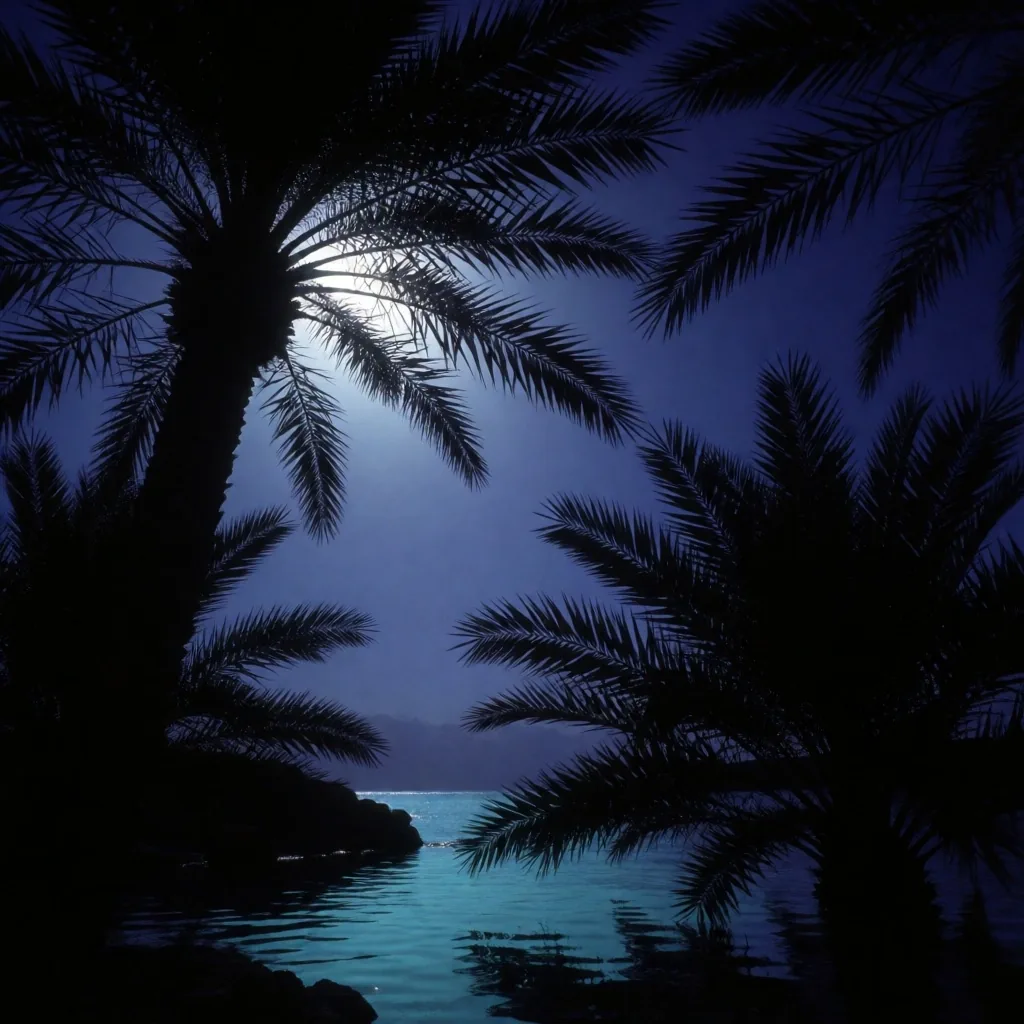
Palm silhouettes against a midnight sky above the Egyptian coast
Coastal Destinations

Seaside Retreats: The Edges of the Blue

Egypt's coastlines stretch along the Red Sea and the Mediterranean, offering salt water, sea breezes, and natural beauty over artificial entertainment. These coastal travel guides help the independent traveller into Egypt find world-class diving, quiet sand, or a place to watch the sun go down.

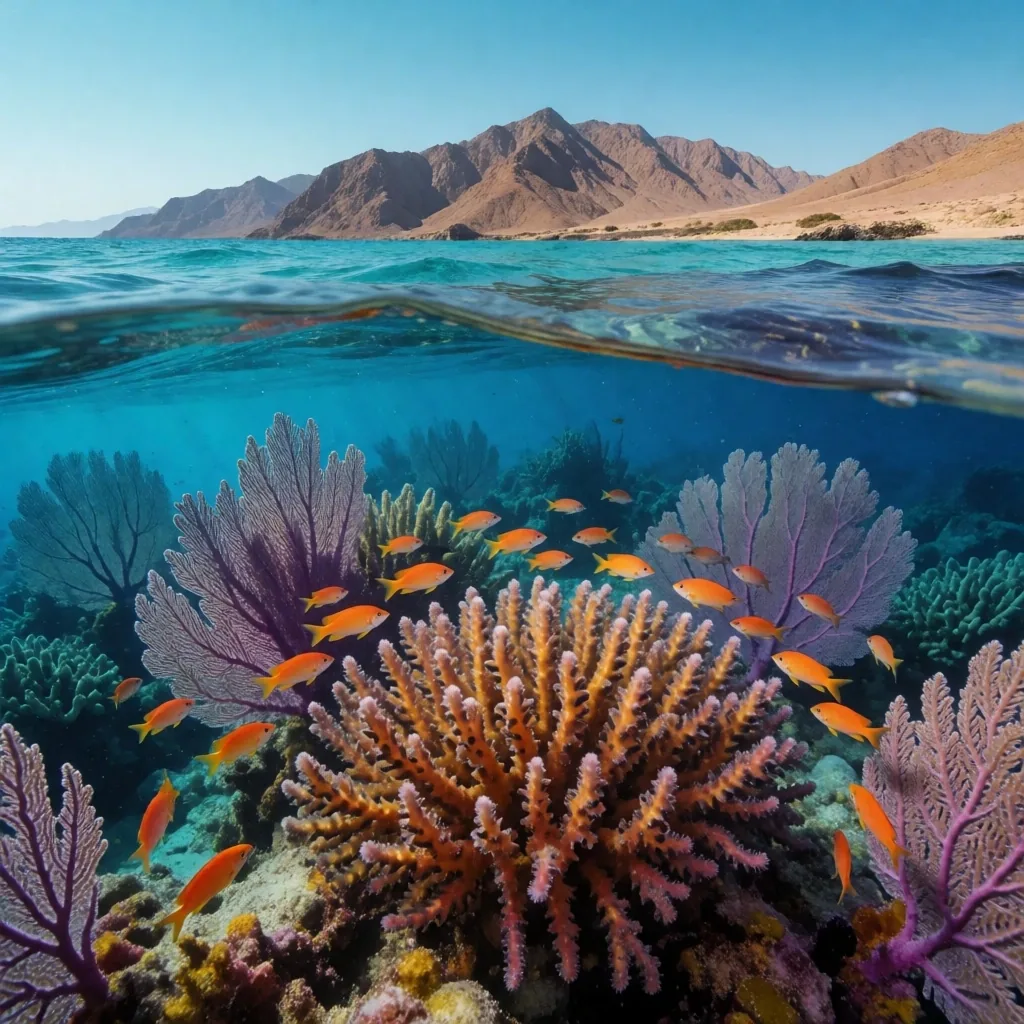
Coral reef along the Red Sea coast
Eastern Coast

The Coral Gardens of the Red Sea

The eastern coast hosts some of the planet's most vibrant marine ecosystems. Fringing reefs run along much of the shoreline, so spectacular snorkeling begins just steps from the beach. The water stays warm year-round, supporting a kaleidoscope of fish and intricate coral formations. Desert mountains meet the deep blue here, creating a visual contrast that feels distinctly Egyptian.

Water clarity is the draw for the traveller into Egypt who wants to spend an entire day with a mask and snorkel. Most accessible reefs sit in waist-deep water, which means you can stand, adjust gear, and watch the reef shelf drop into darker blue just a few meters out.

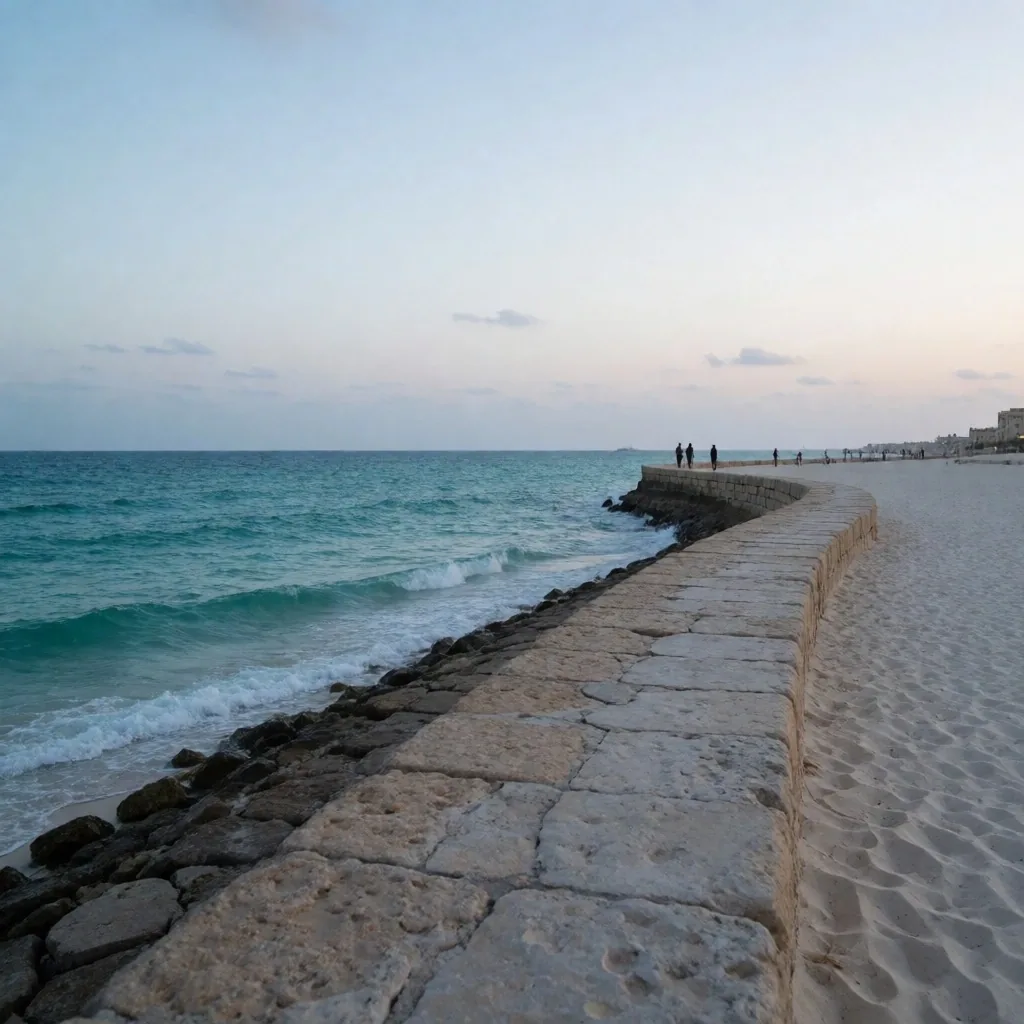
Mediterranean corniche at dusk
Northern Coast

Mediterranean Breezes in the North

The northern coast offers cooler temperatures and a more relaxed, seasonal pace. Beaches feature soft white sand and turquoise waters that feel more European in character. This stretch has long been a summer refuge for those escaping the heat of the southern cities. Walking along the corniche in the evening, you can sense the history of the ancient ports that once anchored Mediterranean trade.

Summer wind here comes from the northwest, which holds temperatures down and fills the air with salt. Spring and autumn bring the calmest water — ideal for swimming — while winter storms draw a different crowd: birdwatchers and photographers who come for the dramatic skies.

Southern Sinai

The Bohemian Vibe of Sinai

The southern tip of the Sinai Peninsula is known for rugged mountains and tucked-away bays. Villages here keep a laid-back, backpacker-friendly atmosphere that stands apart from the larger resort towns. It is a hub for divers, hikers, and anyone seeking spiritual quietude.

The proximity of mountains to the sea means you can spend your morning in the water and your afternoon trekking through wind-sculpted canyons. Limestone formations and granite wadis shift color through the day — pale at noon, amber near sunset, deep violet after dark. The egypt travelling guides for this region emphasize preparation: carry more water than you think you need, and start canyon walks before the sun clears the ridgeline.

Local dive centers here tend to be small and family-run. Many have operated for decades, and the instructors know individual reef sites by name and by season. If you are new to the area, a guided shore dive is the simplest way to learn which bays suit your skill level.

Coastal Comparison

Choosing Your Stretch of Shore

Each coast suits a different kind of trip. Use this matrix to match your priorities — water warmth, wind, crowd level, and the kind of scenery you want to wake up to — before committing to a base.

Region Water & Wind Crowds Best For
Red Sea (East) Warm year-round; steady thermals Moderate near towns; quiet south Snorkeling, diving, wind sports
Mediterranean (North) Cooler; northwest summer breeze Busier in summer; calm off-season Swimming, corniche walks, birdwatching
South Sinai Warm; protected bays, mountain wind Sparse; backpacker villages Diving, hiking, solitude
Hidden Coves Variable; often calmer, less wind Nearly empty; needs effort to reach Privacy, wild swimming, quiet reading

Planning Note

The Red Sea coast stays swim-friendly from late autumn through early spring, when air temperatures sit between 22 and 28 degrees. The Mediterranean shoulder seasons — April, May, October — offer the best balance of warm sand and thin crowds.

Reef Care

Sustainable Diving Practices

Protecting the underwater environment is a primary concern for the coastal traveller into Egypt. The reefs are sensitive to touch, chemicals in sunscreens, and changes in water temperature. We advocate for reef-safe products and strict no-touch policies while exploring the sea.

  • Choose mineral-based sunscreen

    Look for zinc oxide or titanium dioxide without nanoparticles. Avoid oxybenzone and octinoxate, which damage coral polyps even in small concentrations.

  • Keep a meter of distance

    Even light contact with coral breaks the protective mucus layer and opens the way for infection. Buoyancy control matters more than any single piece of gear.

  • Use local dive centers that prioritize ecology

    Engaging with operators who brief guests on reef etiquette ensures these natural wonders remain intact for future visitors and the local fishing communities who depend on them.

By the Water

Coastal Cuisines and Fresh Catch

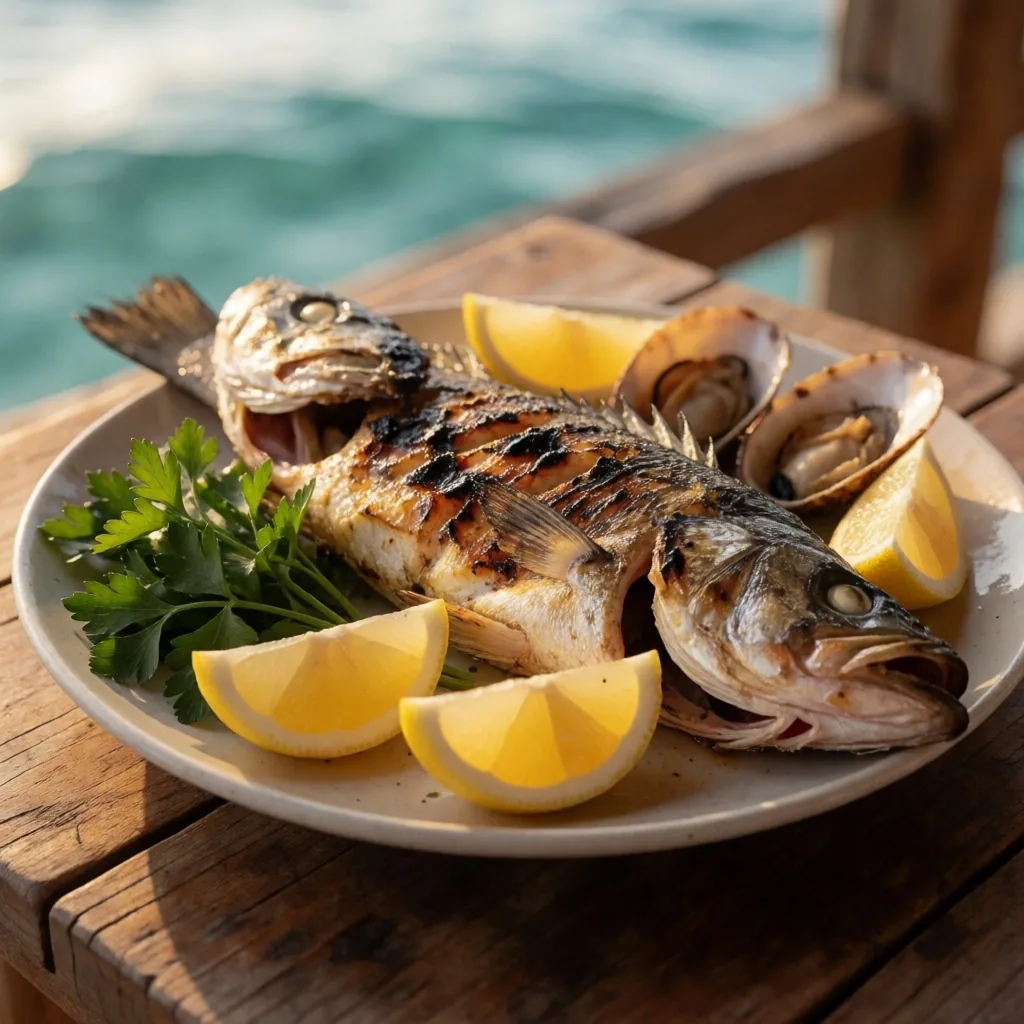
The food along the coast reflects the bounty of the sea. Simple, grilled fish seasoned with lemon, garlic, and cumin is a staple that should not be missed. Small seaside shacks often serve the freshest catch of the day, accompanied by rice and tahini.

Eating by the water, with your feet in the sand, provides an authentic culinary experience that no formal dining room can replicate. The best meals often come from the shacks with no sign — just a charcoal grill, a stack of plates, and a fisherman who knows what came in that morning.

Seaside grilled fish on a beach in Egypt
Active Coast

Wind and Water Sports

For the more active traveler, the steady winds of the Red Sea coast create perfect conditions for kite surfing and windsurfing. Areas like the Gulf of Suez are renowned for their consistent thermals. Equipment can usually be rented from local shacks, where instructors are happy to share their knowledge of the local currents.

Kite Surfing

The Gulf of Suez delivers reliable thermals most afternoons. Beginners should start on the wide, shallow lagoons where the wind arrives clean and the water stays flat. Most stations offer introductory sessions that cover kite control, body dragging, and water starts across two or three days.
Windsurfing

Cross-shore winds and flat water inside the reefs make this coast a natural classroom. Rental gear ranges from beginner wide boards to freestyle rigs. If you can already water-start, the conditions here let you focus on technique rather than fighting chop.

Watching from Shore

Even if you are not an athlete, watching the colorful kites dance against the backdrop of the desert hills is a mesmerizing sight. Bring a hat, find a shaded spot on the corniche, and let the afternoon pass. The wind peaks between 2 and 5 pm on most days.

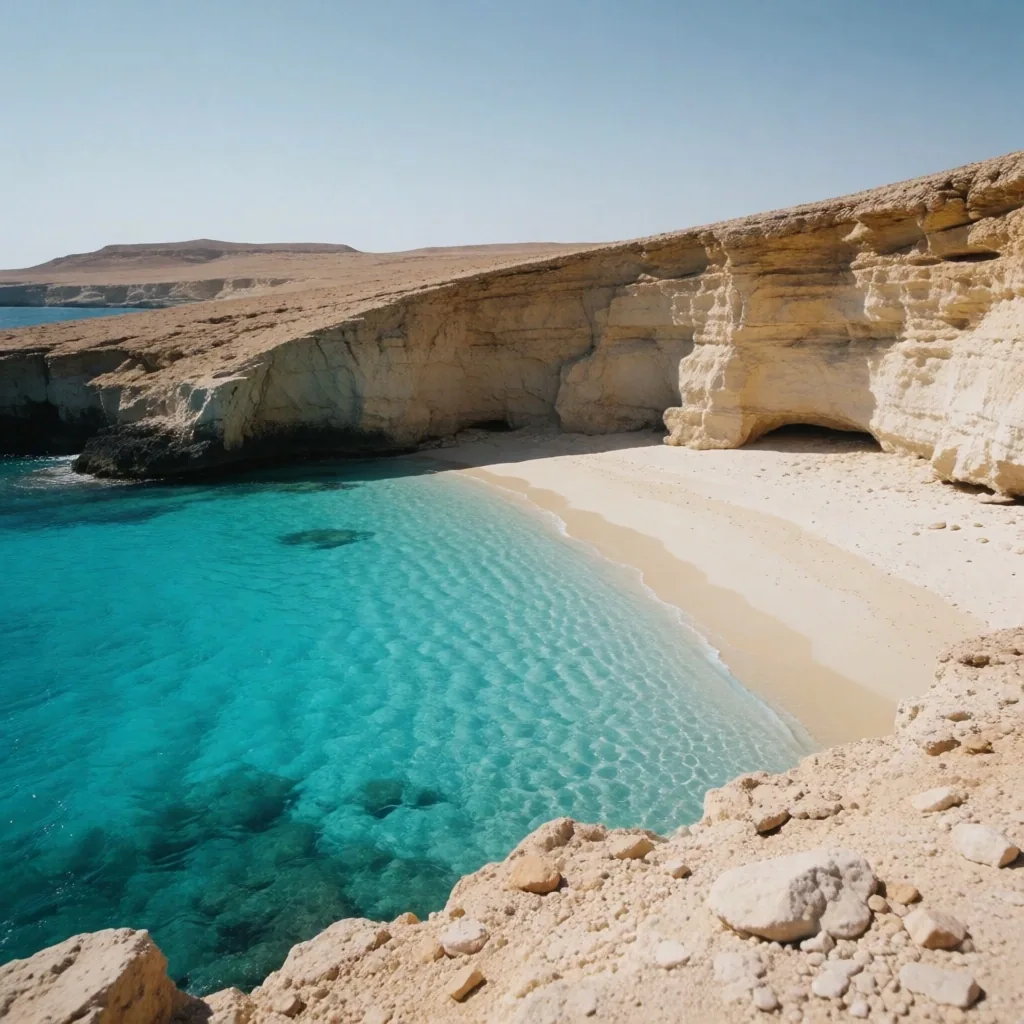
A hidden cove on the Egyptian coast
Off the Map

Finding Seclusion in Hidden Coves

Away from the main hubs, hundreds of small inlets and coves remain largely untouched. Reaching these spots often requires a bit of a hike or a ride in a local boat, but the reward is total privacy. These are the places where you can appreciate the vastness of the sea and the silence of the desert — ideal for those who want to escape the crowds and find their own piece of the coast.

Ask locally about tide timing and access paths. Some coves are reachable only at low tide; others require a wadi walk that turns impassable after rare rain. A small fee to a local guide often unlocks the best spots and supports the nearest village.

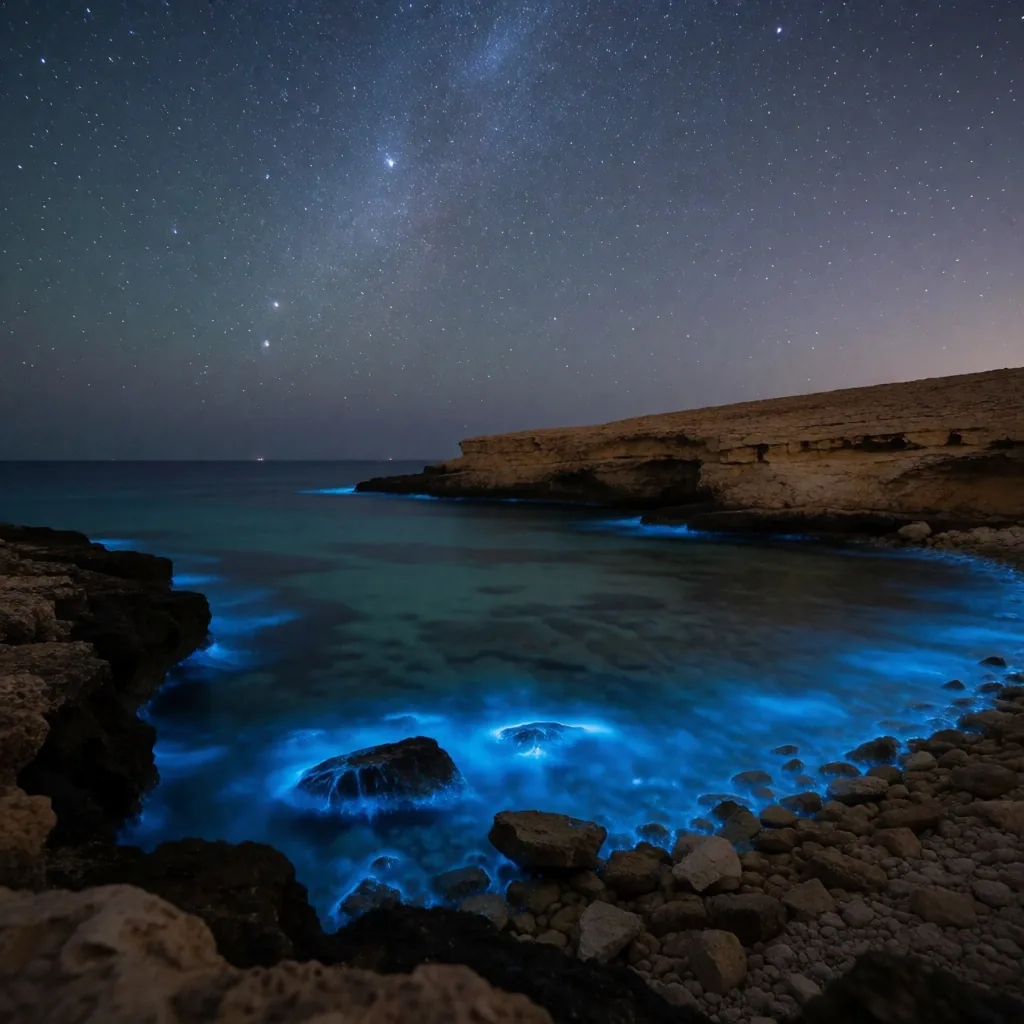
Bioluminescent glow on a dark Egyptian shore
After Dark

The Magic of the Phosphorescence

On certain nights, the movement of the water triggers a natural glow known as bioluminescence. Small organisms in the sea light up when disturbed, creating a shimmering effect that looks like stars trapped in the waves. Walking along the shore in the dark and seeing the water sparkle at your feet is a magical experience — a reminder of the hidden life that thrives in these waters long after the sun goes down.

The glow is strongest in late summer and early autumn, when the water is warmest and the organisms are most concentrated. Find a beach with no artificial light, wade in to your ankles, and drag your foot through the water. The flash lasts only a second — patience pays off.

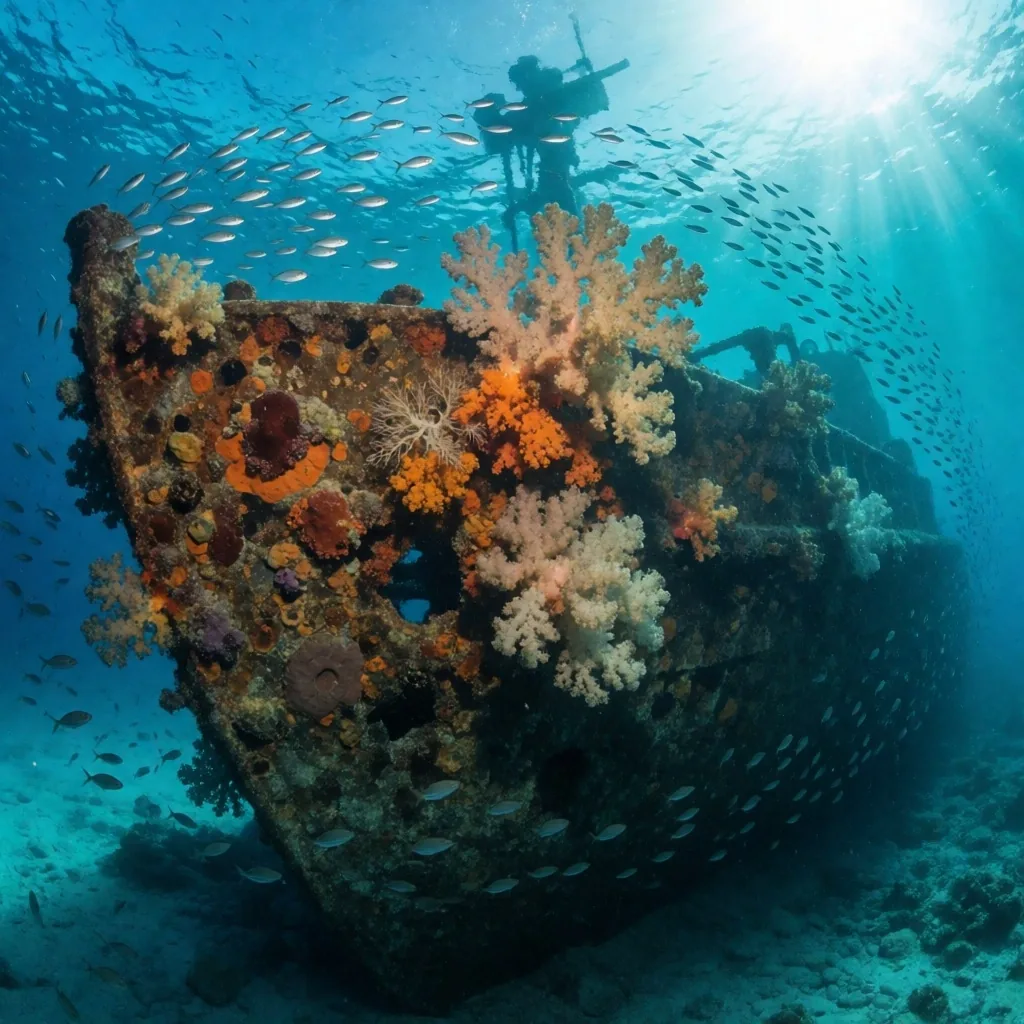
Shipwreck covered in coral underwater
Beneath the Surface

Maritime History and Sunken Secrets

The waters around the coast hold more than just fish; they are home to numerous shipwrecks that have become artificial reefs over time. These sites offer a hauntingly beautiful glimpse into the history of maritime trade and conflict — cargoes of clay amphorae, rusted hulls now thick with coral, and the skeletal ribs of wooden vessels that sank centuries ago.

Diving these wrecks requires advanced skills and often a local guide who knows the site's hazards — entanglement risks, depth, and current. Even for those on the surface, the stories of these lost vessels add a layer of mystery to the coastal landscape. Ask at any established dive center for a briefing on accessible wreck sites and the certification level each one demands.

Seasonal Spectacle

Seasonal Migrations and Bird Watching

The coast serves as a major flyway for migratory birds traveling between Europe and Africa. During the spring and autumn, the skies and wetlands fill with thousands of storks, pelicans, and birds of prey. This makes the coastal regions a prime destination for nature enthusiasts.

The sight of a massive flock of birds rising over the desert horizon is one of the great spectacles of the natural world. Autumn migration peaks in September and October, when soaring birds ride thermals along the coastline. Spring brings songbirds and waders to the salt pans and lagoons. Binoculars and a field guide to Mediterranean and African species are the only gear you need.

Snorkeling Safety Checklist

  • Check the current before entering. If surface water moves parallel to the reef, swim into it first so the return is easier.

  • Wear a rash vest or thin wetsuit. It prevents sunburn on your back and keeps you warm in deeper water.

  • Defog your mask with a drop of baby shampoo, rinse once, and fit the strap high on the back of your head — not on your ears.

  • Snorkel with a partner. Agree on hand signals and a meeting point before you enter the water.

  • Hydrate before and after. Salt air masks dehydration, and reef swimming is more exertion than it feels.

Read Snorkeling Safety Tips
Continue the Journey

Your Next Stretch of Egyptian Shore

The egypt travelling guides on Eggi cover the full range of the country's edges — from Red Sea reefs to Sinai bays to Mediterranean corniches. Use the resources below to plan the next leg of your trip, or reach out with a specific question about water conditions, access, or local guidance.