
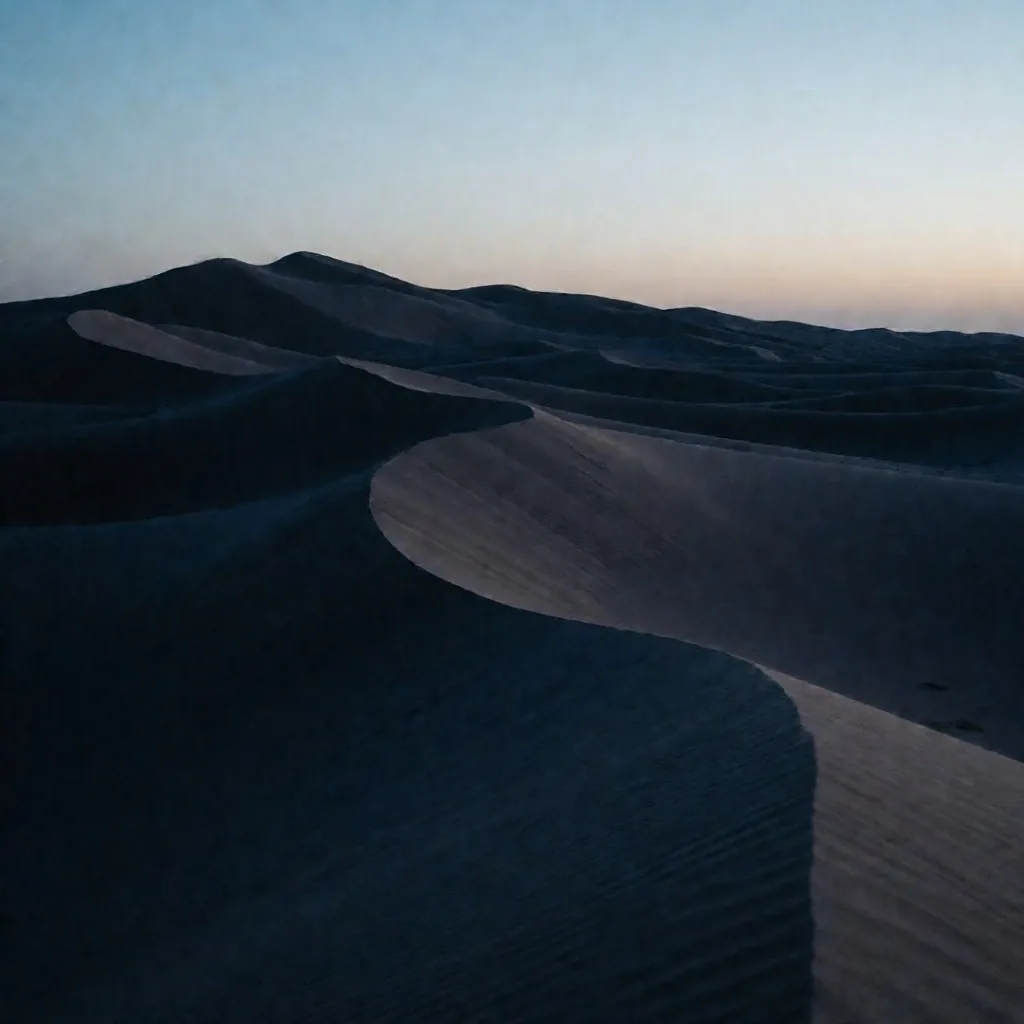
Desert Exploration / Travel Guides
Desert Adventures: The Inland Horizon
The desert is the soul of Egypt, covering the vast majority of its territory. For the independent explorer, these inland landscapes offer a raw experience that challenges the senses and expands the perspective.
Chapter 01 / Western Oases
The Lure of the Western Oases
Scattered across a sea of sand, the oases of the Western Desert are miracles of geology. These self-contained worlds are fed by ancient underground aquifers, allowing lush palm groves and fruit orchards to thrive in the middle of the wilderness.
Each oasis has its own distinct character, from mud-brick architecture to bubbling natural springs. They serve as essential staging points for any inland adventure, offering shade, water, and a place to rest before heading deeper into the open desert.
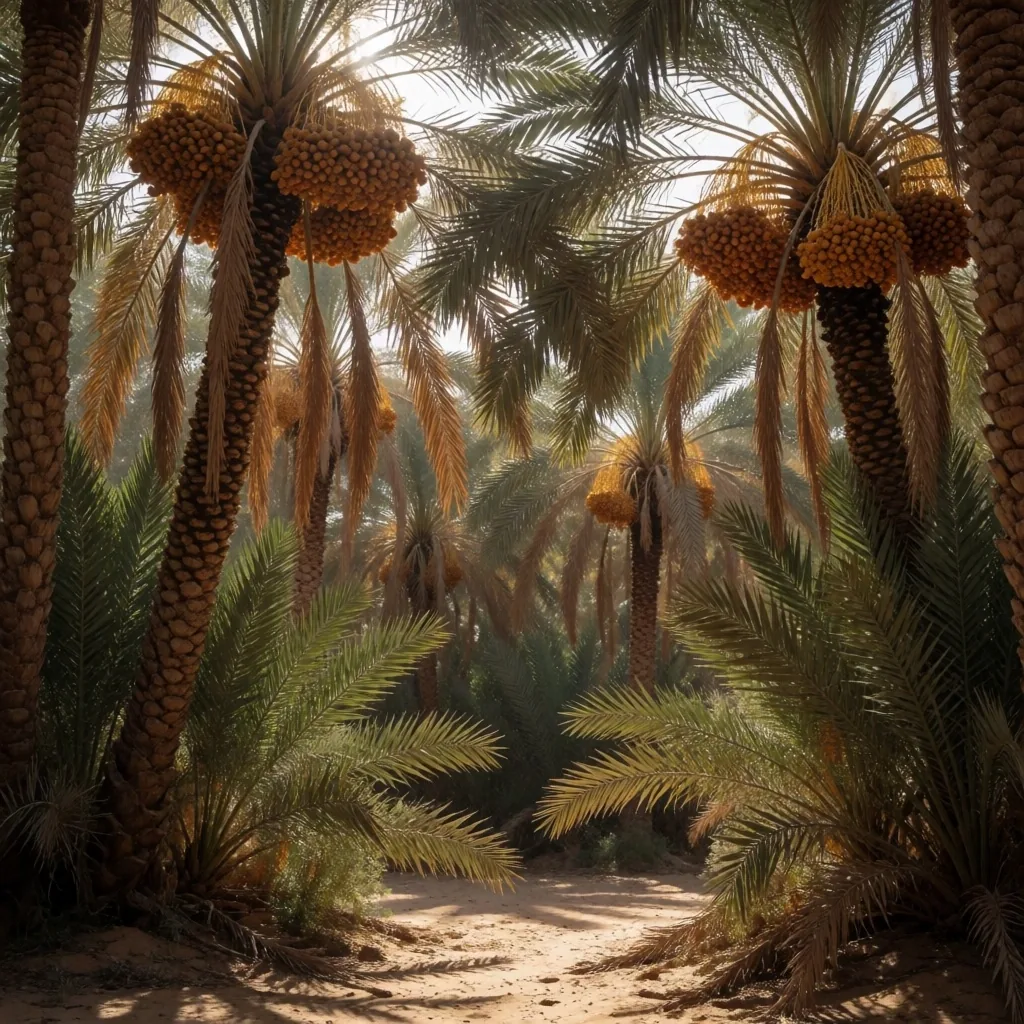
Palm Groves
Shaded date plantations sustained by deep aquifer water.
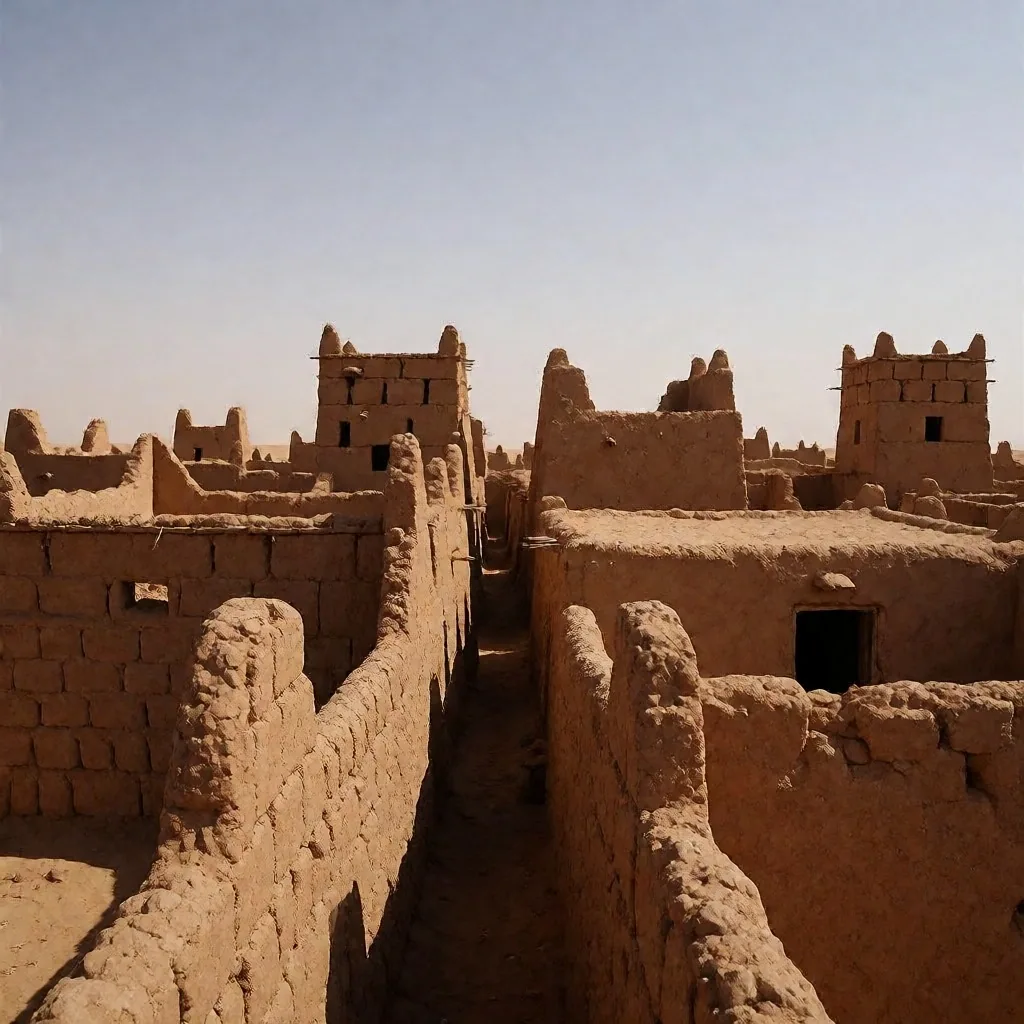
Local Settlements
Mud-brick dwellings built to stay cool in extreme heat.
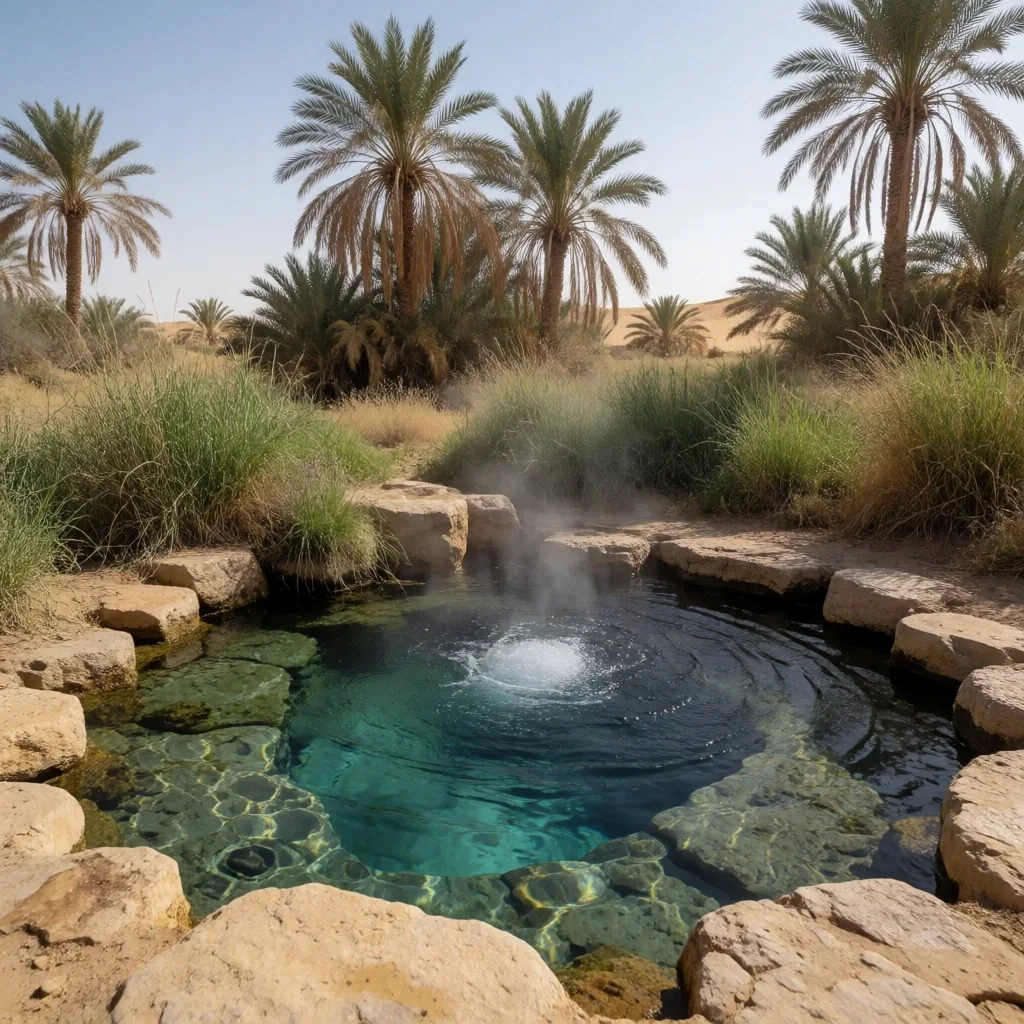
Natural Springs
Bubbling water sources that sustain life in the wilderness.
Chapter 02 / Sculpted Chalk
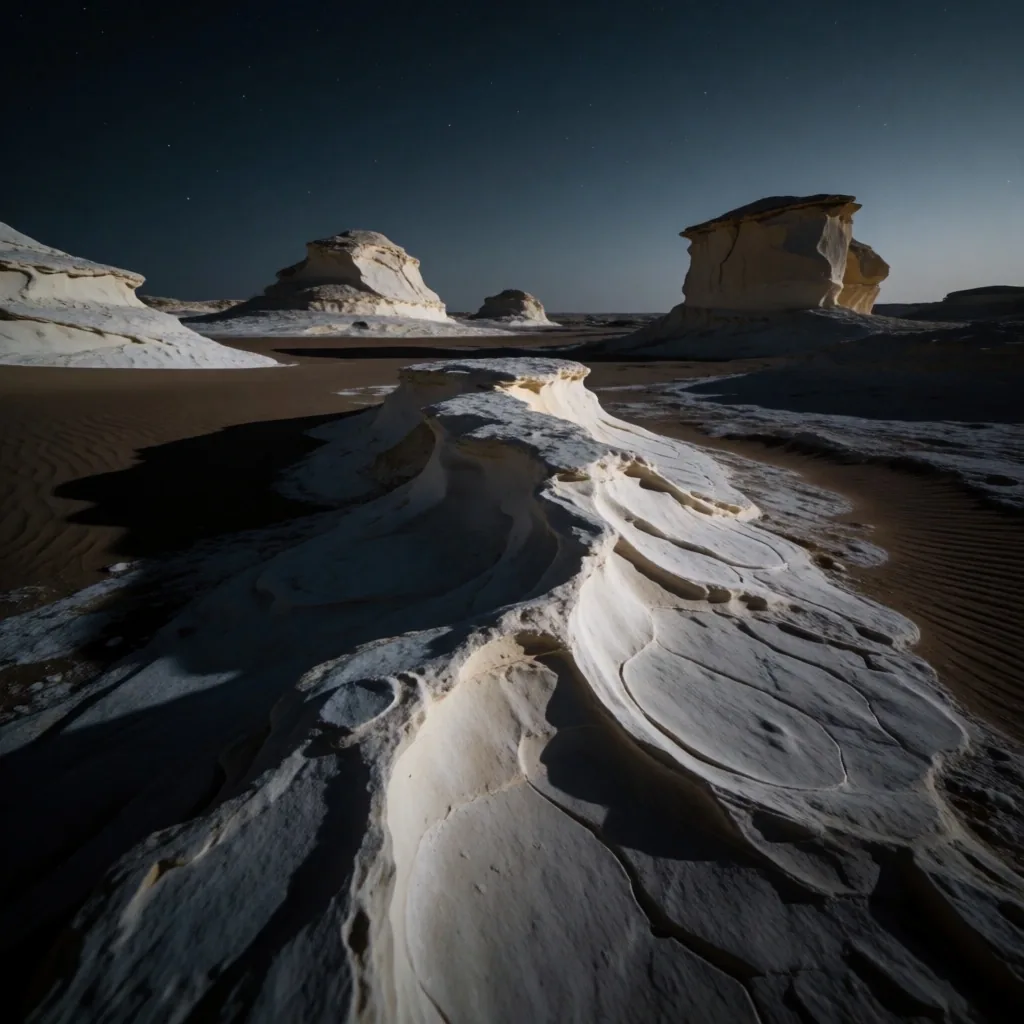
The Sculpted Beauty of the White Desert
Centuries of wind erosion have carved chalk formations into strange, otherworldly shapes that resemble mushrooms, birds, and frozen waves. At night, under a full moon, the landscape glows with a ghostly radiance.
Camping in this area is a highlight for many travelers, offering a front-row seat to one of nature's most creative displays.
Chapter 03 / Two Frontiers
Navigating the Great Sand Sea & the Eastern Desert
West / Sand Sea
The Great Sand Sea
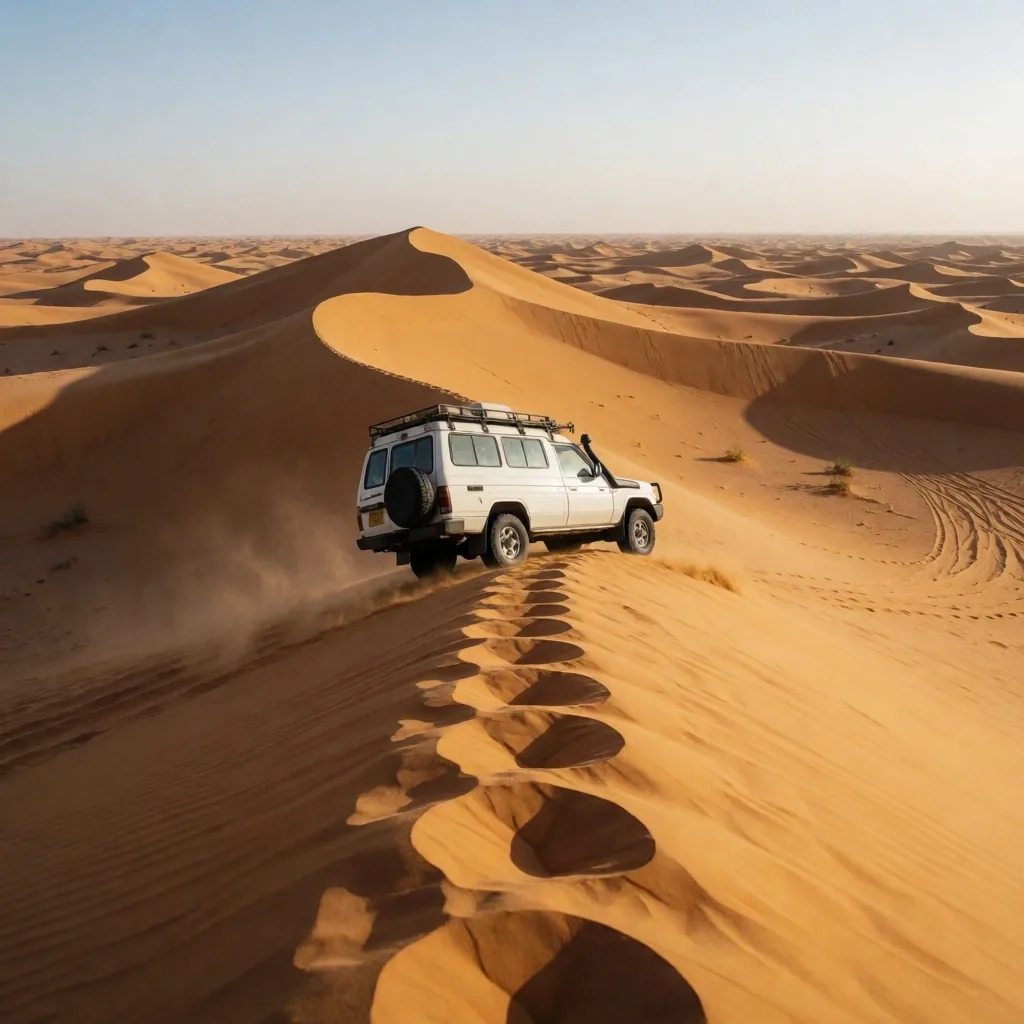
A landscape of immense dunes and shifting horizons that demands high-clearance vehicles and experienced local guidance. Some dunes reach heights of over a hundred meters.
- High-clearance 4x4 vehicles required
- Travel with experienced local drivers
- Carry satellite communication, no mobile signal
- Sense of isolation rare in the modern world
East / Rugged Range
The Eastern Desert
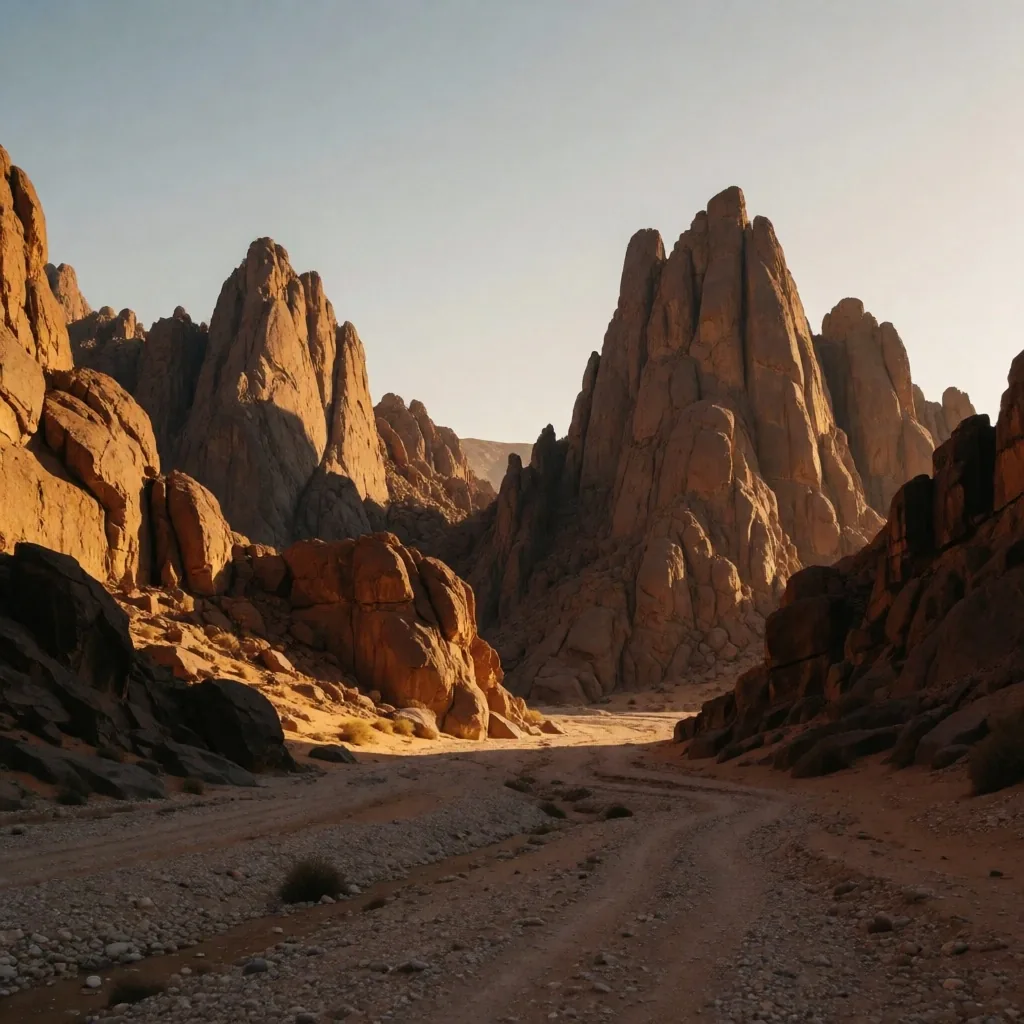
Between the Nile and the Red Sea lies a landscape of jagged mountains and dry riverbeds known as wadis. Colors shift from deep reds to ochres, offering a different aesthetic from the golden sands of the west.
- Challenging hiking terrain through wadis
- Remnants of ancient mining operations
- Nomadic communities still inhabit valleys
- Red and ochre rock formations dominate
Chapter 04 / Preparation
Desert Survival and Safety Essentials
The desert is a beautiful but unforgiving environment. Proper preparation involves carrying ample water, protecting yourself from the sun, and understanding how to navigate without a signal.
01 / Hydration
Carry Ample Water
Plan for at least four liters per person per day. Rationing is not the answer; carrying enough is.
02 / Sun Protection
Cover and Shield
Loose light-colored layers, wide hats, and UV sunglasses reduce heat strain and fluid loss.
03 / Navigation
Offline Wayfinding
Download offline maps and carry a physical compass. Do not rely on mobile signal in remote areas.
04 / Group Travel
Inform Others
Travel in groups and share your planned route and return time with someone who will check on you.
Understanding the signs of dehydration and heat exhaustion is crucial for anyone venturing away from the main tracks. Headaches, dizziness, and stopped sweating are warning signals that mean you must find shade and drink fluids immediately.
Chapter 05 / The Night Sky
Stargazing and the Celestial Canopy
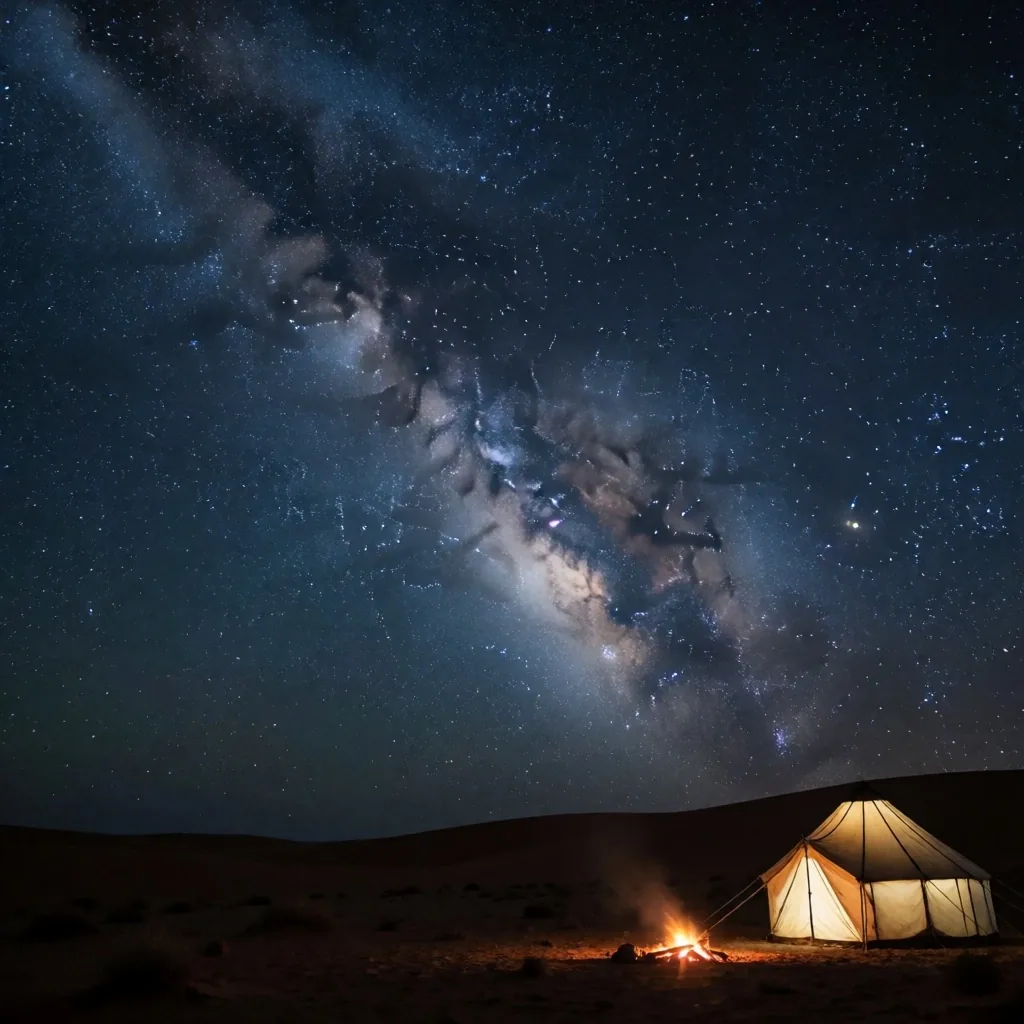
Away from the light pollution of the cities, the stars appear in startling detail. The Milky Way stretches across the heavens like a luminous cloud, and the silence of the dunes enhances the celestial experience.
For many, a night under the stars in the desert is a moment that stays with them long after the trip ends. The clarity of the sky inland is something no city can replicate.
Chapter 06 / Local Knowledge
The Nomadic Way of Life
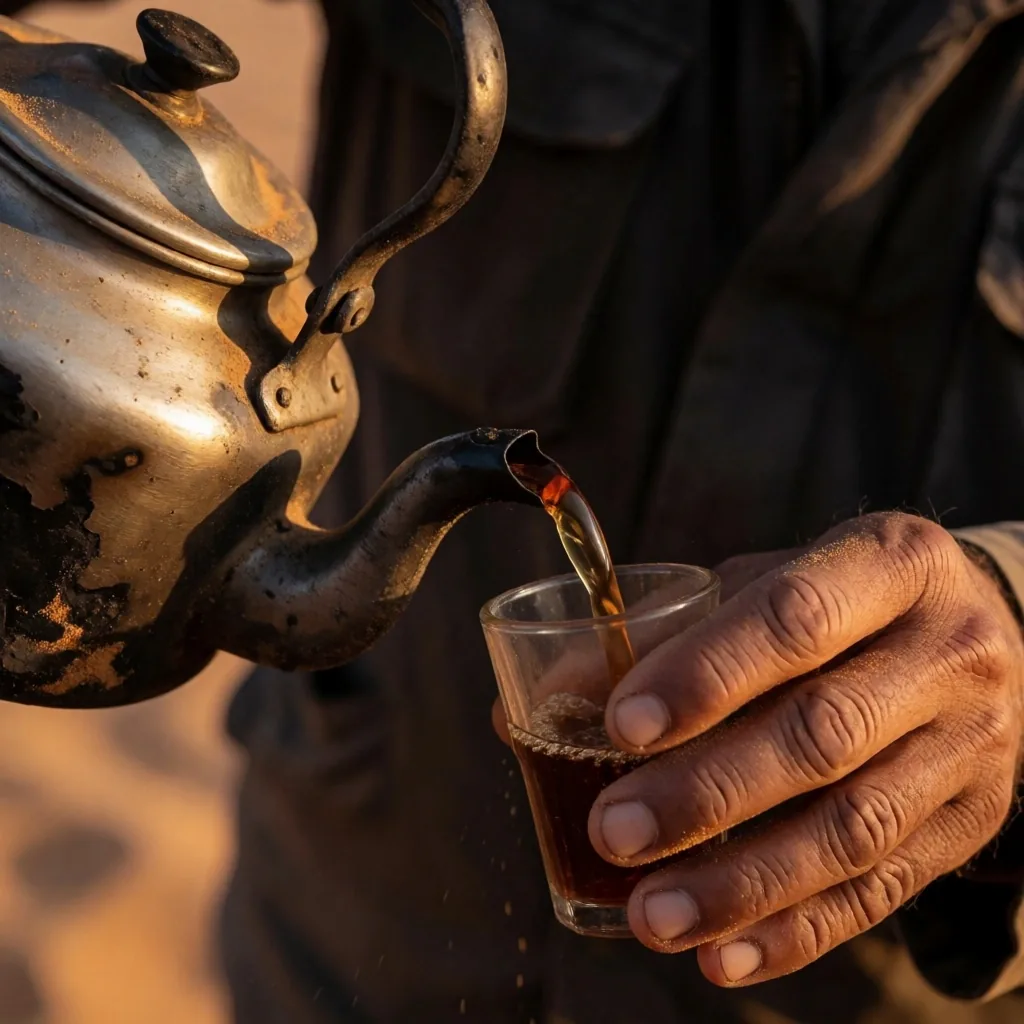
The desert is not empty; it has been home to nomadic tribes for millennia. These communities possess an intimate knowledge of the land, the tracks, and the hidden water sources.
Respecting their customs and learning from their resilience is a key part of the desert experience. Engaging with local guides not only provides safety but also offers a window into a culture that has mastered survival in extreme conditions.
Find Local Desert Guides →Chapter 07 / Heritage
Ancient Tracks and Trade Routes
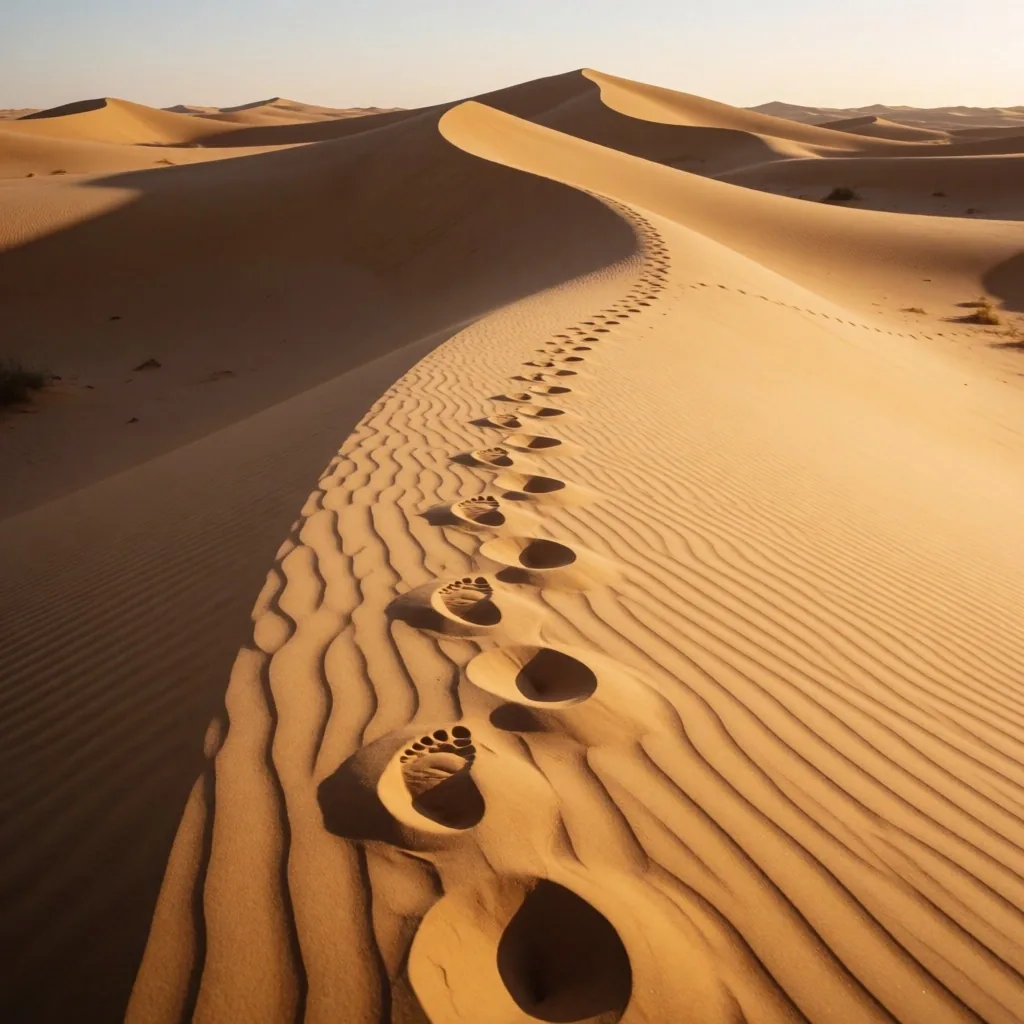
The desert is crisscrossed by ancient tracks that once carried gold, incense, and spices across the continent. Following these routes allows you to walk in the footsteps of centuries of travelers.
You can still find remnants of old caravanserais and rock inscriptions that tell the stories of those who passed this way long ago. It is a living history book written in the sand and stone, and reading it requires only patience and a trained eye.
Chapter 08 / Living Adaptations
Desert Flora and Fauna
Despite the harsh conditions, the desert teems with life adapted to the aridity. From the fennec fox with its oversized ears to the hardy acacia trees that tap into deep water tables, the biodiversity is fascinating.
Early morning is the best time to spot tracks in the sand and catch a glimpse of the creatures that emerge when the sun is low. Understanding these adaptations gives you a deeper appreciation for the tenacity of life.
Chapter 09 / Stillness
The Psychological Impact of Silence
Modern life is rarely silent, but the desert offers a quiet that can be almost overwhelming. This lack of auditory input allows for a deep sense of presence and mental clarity.
Many travelers find that the desert acts as a mirror, reflecting their own thoughts and emotions back at them. Embracing this stillness is perhaps the most transformative part of any inland adventure.
Continue the Journey
Where to go from here
Related Guide
Coastal Retreats
Trade the inland sand for shorelines and reef waters along the coast.
→Practical Resource
Packing Essentials
Gear checklists for sun, sand, and remote travel without a signal.
→Planning
Best Visiting Times
Seasonal windows when the inland heat eases and travel is safest.
→For the Traveller into Egypt
Ready to head inland?
Our egypt travelling guides cover the logistics, the landscape, and the local knowledge you need to move through the desert with confidence.