
Best Visiting Times: A Seasonal Planning Guide
Timing shapes the Egyptian experience more than any other decision you make. The sun is the primary architect of every day here, and understanding its patterns separates a comfortable journey from a punishing one. Whether you are chasing the mild winter months or looking for the quiet of the off-season, our egypt travelling guides lay out what each period actually feels like on the ground.
Four Quarters, Four Realities
The Egyptian year splits into four distinct periods, each with its own logic. Every traveller into Egypt should understand these before booking, because the wrong month changes the entire shape of a day.
High Season
Mild days, cold desert nights. The busiest period for good reason — the valley is at its most forgiving. Layers are still required after sundown.
Mild · BusyShoulder Season
Warmth without the crowds. Coastal activities and mountain hiking are at their best. Watch for the Khamsin winds in spring, which can briefly disrupt plans.
Warm · QuietSummer Challenge
Intense heat, especially in the south where temperatures pass 40 degrees. The coast stays popular for the sea breeze. Adapt to the local schedule: early mornings and late nights.
Hot · SolitaryCoastal Window
The Red Sea stays warm enough for long hours in the water from June through September. Winter drops the temperature but keeps the water clear. The Mediterranean goes cold from late autumn.
Warm WaterThe High Season: Winter Comfort
From November to February, the weather is at its most temperate. Days are sunny and mild, making this the ideal window for exploring the valley and the desert without the punishing heat that defines the summer months. It is the period most travel guides recommend for a first visit, and for good reason.
However, this is also when the most travelers arrive. Expect the popular spots to be busier, and plan your days to reach key locations early in the morning or later in the afternoon. The difference between a crowded site and a quiet one is often a matter of two hours.
Evenings can get surprisingly chilly, especially in the desert and the north. A day that feels warm in the sun can drop sharply once it sets, so packing layers is essential. A light fleece or jacket is not optional during this period — it is the difference between an comfortable evening and a shortened one.
Spring and Autumn: The Flexible Middle
March to May and September to October offer a balance between warm temperatures and fewer crowds. These are excellent times for coastal activities and hiking in the mountains, where the heat has not yet reached its peak but the days are long enough to fill with movement.
Be aware that spring can bring the Khamsin winds — dry, hot winds that sweep in from the desert and may briefly disrupt travel plans. They rarely last more than a few days, but they can reduce visibility and make outdoor activity uncomfortable. Check the forecast if you are planning a desert excursion during this window.
Overall, the shoulder seasons provide the most flexibility for those who want to experience both the water and the land. The Red Sea is warm, the valleys are manageable, and the crowds are thinner than in winter. For many independent travelers, this is the best overall window.
July and August: The Heat Reality
Shift Your Schedule
Summer in Egypt means adapting to the local rhythm. Early morning activity, a long siesta through the hottest hours, and late-night exploration. Trying to keep a northern European schedule will exhaust you by noon.
Head to the Coast
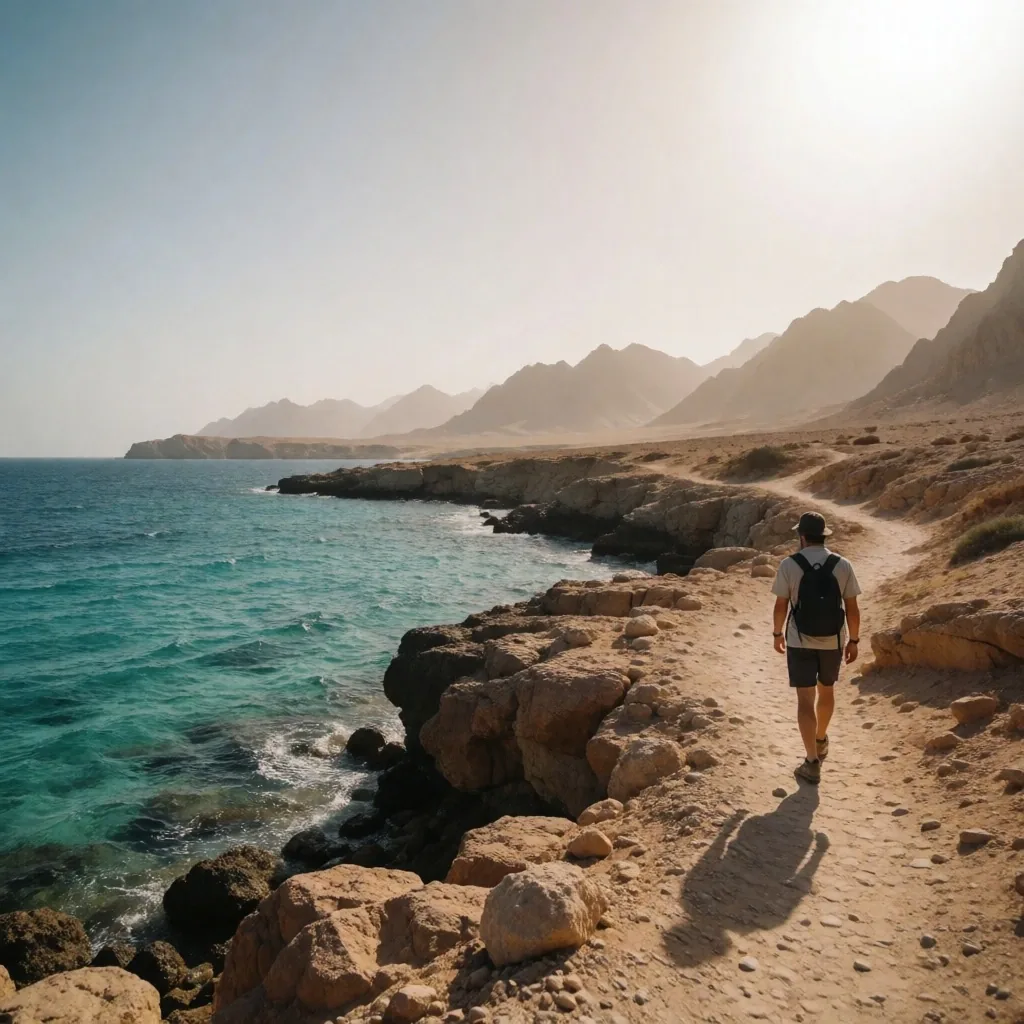
The coast remains popular during these months as people seek the sea breeze. The Red Sea coast offers a meaningful drop in perceived heat compared to the interior valley and the southern sites.
Accept the Solitude
This is the off-season for the valley, meaning you will find far fewer visitors. If you can handle the heat, you will have sites to yourself that would be crowded in winter. It is a trade-off between comfort and space.
Summer in the south is not a joke. Temperatures can exceed 40 degrees Celsius, and the heat is dry, which means you may not notice how much water you are losing. Carry more water than you think you need, cover your skin, and do not plan ambitious outdoor activity between noon and four in the afternoon.
→ Read About Summer TravelUnderstanding Regional Variations
Egypt is a large country with significant climatic differences between the north and the south. The Mediterranean coast is always cooler and more humid than the interior. The desert experiences the most dramatic temperature shifts between day and night, sometimes swinging 20 degrees or more within a few hours.
When planning your trip, consider the specific regions you want to visit and research their individual weather patterns to avoid unpleasant surprises. A single forecast for "Egypt" will not tell you what you need to know about the coast, the valley, and the deep south — these are three different climates.
Planning for the Desert Night
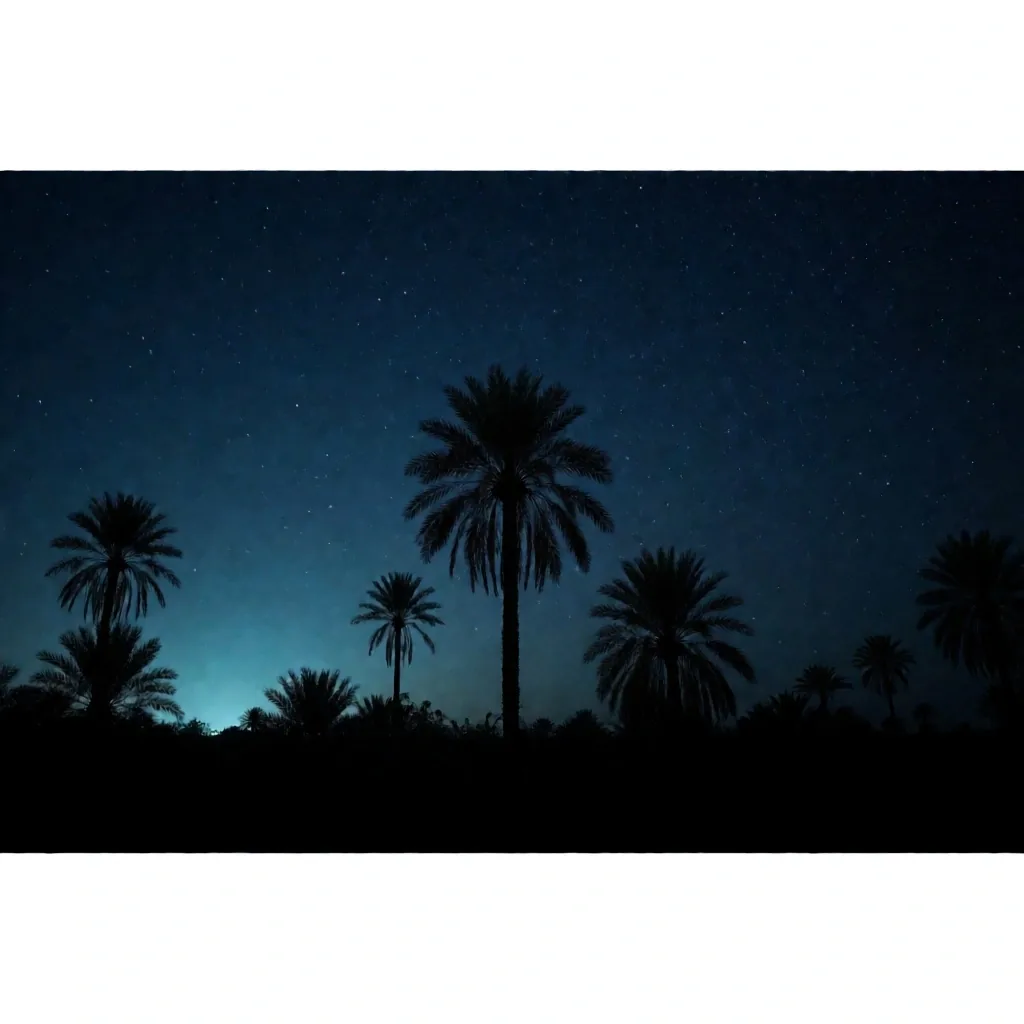
Regardless of the season, the desert loses its heat rapidly once the sun goes down. A day that felt like 30 degrees can quickly drop to near freezing at night. The sand radiates heat back into a cloudless sky with nothing to hold it in.
If you plan on camping or taking an overnight desert safari, you must be prepared for these fluctuations. High-quality sleeping bags and thermal layers are necessary even if you are visiting during the warmer months. A summer night in the western desert can still feel cold to someone who spent the afternoon in 40-degree heat.
- —Rated sleeping bag suitable for near-freezing temperatures
- —Thermal base layer, even in summer
- —Windproof outer shell for the hours after sunset
- —Extra water for the evening and morning
- —Closed shoes for walking on cold sand at dawn
Calendars and Air Quality
Religious Calendars and Festivals
The Islamic calendar is lunar, meaning that holidays like Ramadan shift by about ten days each year. During Ramadan, Muslims fast from sunrise to sunset, which can affect the opening hours of shops and restaurants. Some eateries close during the day and reopen after sunset prayers.
However, the evenings come alive with special foods and a festive atmosphere. Breaking the fast is a communal event, and the streets take on a different character after dark. Checking the dates of major holidays before you book will help you know what to expect in terms of local activity.
→ Check Holiday DatesThe Impact of Air Quality
In the larger cities, air quality can vary depending on the time of year and wind patterns. During the late autumn, the so-called "black cloud" — caused by agricultural burning in the delta — can sometimes affect visibility and respiratory comfort in the capital.
Travelers with sensitivities should be aware of these seasonal occurrences and plan their urban stays accordingly. If you have asthma or other respiratory conditions, consider spending more time on the coast or in the south during the affected weeks, and keep an eye on local air quality reports when planning city days.
- —Schedule outdoor sites for early morning
- —Keep indoor activities for the late afternoon
- —Carry any prescribed respiratory medication
Coastal Water and Bird Migration
Water Temperatures
If snorkeling or diving is a priority, water temperature is a key factor. The Red Sea is warmest from June to September, making it perfect for long hours in the water without a thick wetsuit. In the winter, the water temperature drops, but it remains clear and suitable for diving. The Mediterranean is generally too cold for swimming from late autumn through early spring.
→ Coastal RetreatsBird Migration Windows
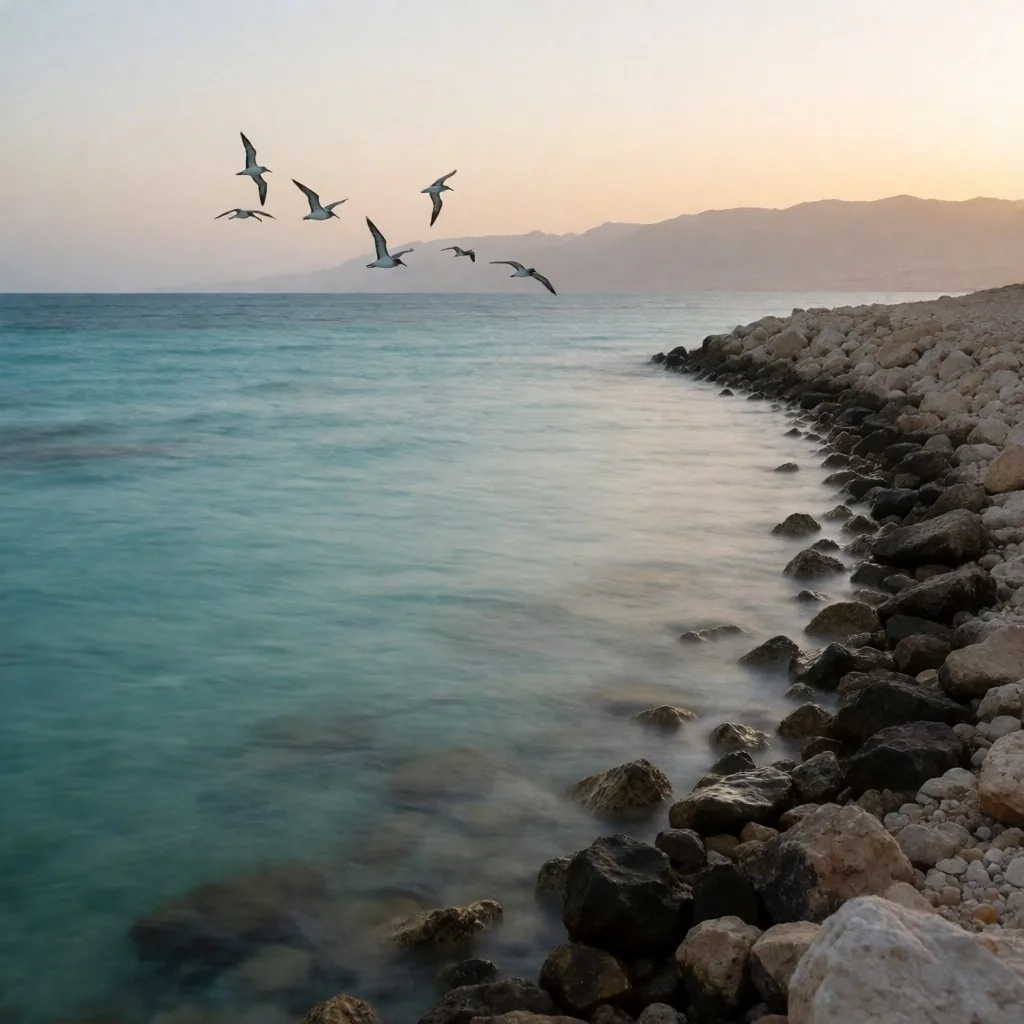
For nature lovers, the timing of the spring and autumn migrations is a major draw. The peak windows are usually in March and April and again in October and November. During these times, the wetlands and coastal areas are teeming with life. Planning your visit to coincide with these windows offers a unique opportunity to witness one of the world's great natural events.
The Off-Peak Advantage
Traveling during the hottest months or right after a major holiday can offer a much more solitary experience. You will have more space to yourself in the smaller villages and on the river. While it requires more resilience to the heat, the sense of having the landscape to yourself can be a powerful reward.
It is a choice for the traveller into Egypt who prioritizes quietude over comfort. The sites are the same, the light is often more dramatic, and the pace of daily life is easier to read when you are not surrounded by other visitors. If you can handle the conditions, the off-peak months return something that the high season cannot easily provide: space.
Keep Planning the Journey
Seasonal timing is one piece of the puzzle. Once you know when to go, the next step is figuring out how to get around, what to carry, and how to travel responsibly. Our egypt travelling guides cover each of these in practical detail.
If you are working through a specific itinerary and need a hand thinking through seasonal trade-offs, reach out. We are based in Amsterdam and keep working hours from Monday to Friday, nine to six.