

Responsible Exploration
Travel is a privilege that carries a responsibility to the land and its people. In a place as ecologically and historically significant as Egypt, our impact as visitors can be profound. These travel guides focus on how to explore without causing harm — so the treasures of the desert, the river, and the coast remain intact for those who follow.
Why Your Choices Matter Here
Egypt's landscape is not a backdrop. It is a living system — coral reefs that took centuries to build, desert surfaces that hold tracks for decades, river communities whose rhythms depend on the land's health. The traveller into Egypt moves through places that are simultaneously ancient and fragile. These egypt travelling guides exist because how you travel shapes what remains.
Conscious choices are not about guilt or restriction. They are about attention. When you carry a reusable bottle, ask before photographing someone, or walk instead of taking a private car, you are participating in the place rather than passing through it. Small adjustments, repeated by thousands of visitors each year, compound into real protection for the heritage and the people who share it.
Desert, reef, and river systems that recover slowly from human impact.
Inscriptions, formations, and cultural sites that cannot be replaced once damaged.
Local families whose livelihoods depend on a healthy, living destination.
Visitors who arrive after you, expecting the same wonders you found.
Reduce Your Footprint
Minimizing What You Leave Behind
Plastic pollution is one of the most visible challenges in the region. Single-use bottles, bags, and packaging accumulate along roadsides, riverbanks, and reef edges where they take years to break down. As a traveler, you can make a significant difference with a few simple habits.
- Carry a reusable water bottle. Many guesthouses and cafes are happy to refill it from larger containers.
- Bring your own shopping bag and refuse unnecessary packaging in markets.
- Avoid mini toiletries at hotels; transfer your own into travel containers.
- Sort and carry out any wrappers or containers when recycling bins are unavailable.
Look But Never Touch
From the coral reefs of the Red Sea to the bird sanctuaries along the Nile, Egypt's wildlife is diverse but vulnerable. A strictly look-but-don't-touch policy applies in all natural environments. Small disruptions — feeding, touching, or chasing — cascade through ecosystems that took millennia to find their balance.
- Never feed wild animals. It disrupts natural foraging and creates dependency.
- Avoid souvenirs made from shells, coral, or protected materials.
- Keep a respectful distance from nesting birds and marine life.
- Stay on marked trails so you do not trample vegetation or disturb habitats.
Support Local and Ethical Trade
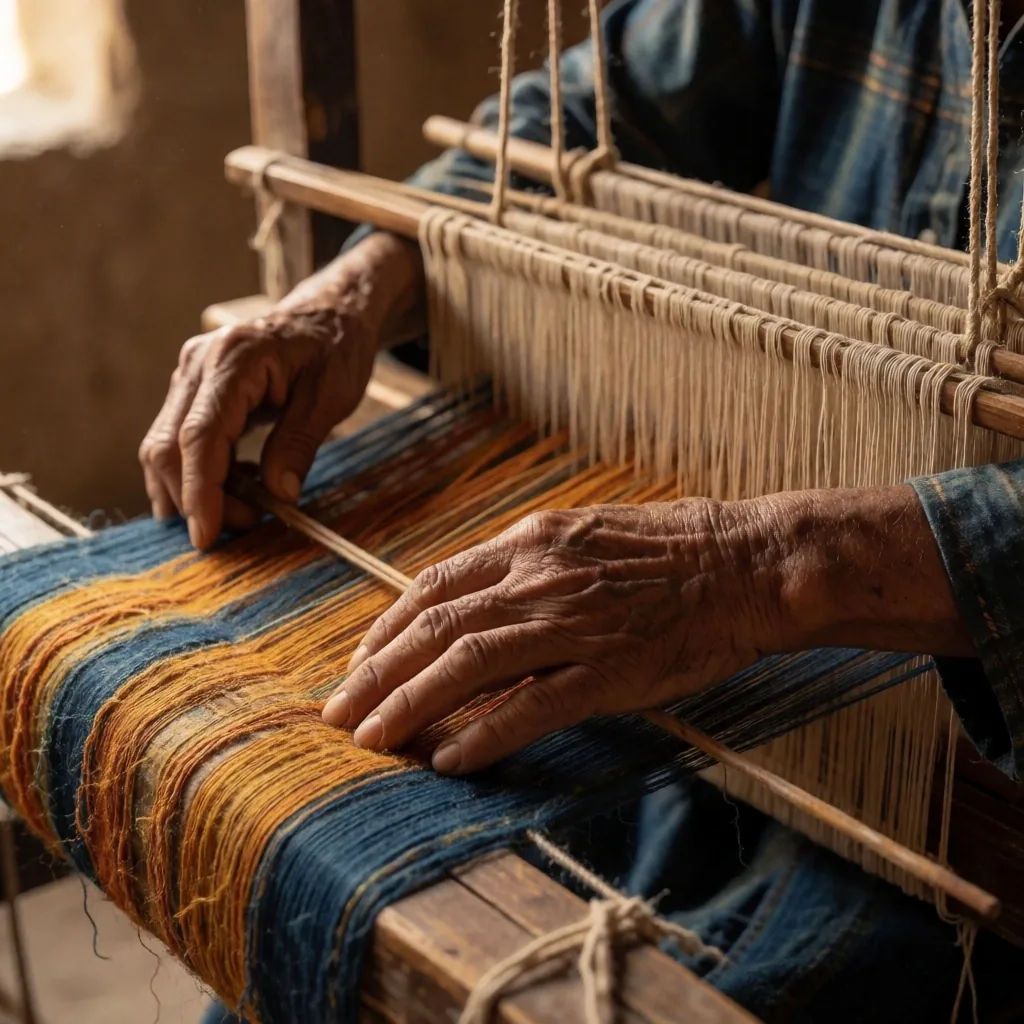
When you choose local artisans over mass-produced imports, your money goes directly to the families and communities you visit. Traditional crafts — weaving, pottery, metalwork, textile dyeing — carry skills passed through generations. Every fair purchase helps those skills survive.
Ask about the origins of products and the methods used to make them. A maker who is proud of their work will tell you the story behind it. That conversation is part of the journey and a sign you are engaging with the real economy, not a copy of it.
Seek out cooperatives and family workshops. Ask how an object was made. If the answer is specific — the village, the material, the technique — you are in the right place.
Daily Habits That Show Respect
Three areas where small, repeated choices shape the kind of visitor you are. None require special gear or effort — only awareness.
Conserving Water and Energy
Egypt is an arid country where water is a precious and limited resource. Being mindful of your usage — taking shorter showers, reusing towels, and reporting leaks — matters in ways it might not at home. The same applies to electricity: turning off lights and air conditioning when you leave your room reduces the load on systems that serve the whole community.
These adjustments are a way of acknowledging the challenges faced by the people who live here year-round. They cost you nothing and ask for very little time.
Ethical Photography
Capturing your journey through photography is a wonderful way to remember it, but it must be done with sensitivity. Always ask for permission before photographing people. A simple gesture or a few words of Arabic is usually enough — and the reaction tells you everything. If someone declines, respect that without negotiation.
Avoid taking photos of people in vulnerable situations or in a way that feels intrusive. By treating people with dignity, you foster a more positive relationship between travelers and locals — one that outlasts your visit.
Respectful Social Interaction
Being a responsible traveler also means being a respectful guest. Learning a few words of Arabic — greetings, thanks, and polite refusals — opens doors that English alone cannot. Dressing modestly, particularly in rural areas and near places of worship, shows that you understand where you are. Following local etiquette is not about conforming; it is about signaling that you value the culture and are not just there to consume a landscape.
Genuine respect is the foundation of any sustainable travel experience. It changes the quality of every interaction you have.
Fragile Ground, Fragile Water

Leaving No Trace
The desert may seem vast and indestructible, but it is a delicate environment. Tire tracks and trash can remain visible for years. Wind does not erase them quickly; the dry air preserves them. When camping or hiking, carry out everything you brought in — including organic waste, which disrupts local soil chemistry.
Use established tracks whenever possible and avoid disturbing rock formations or ancient inscriptions. The goal is simple: leave the landscape exactly as you found it, so the next person sees what you saw.
Responsible Diving
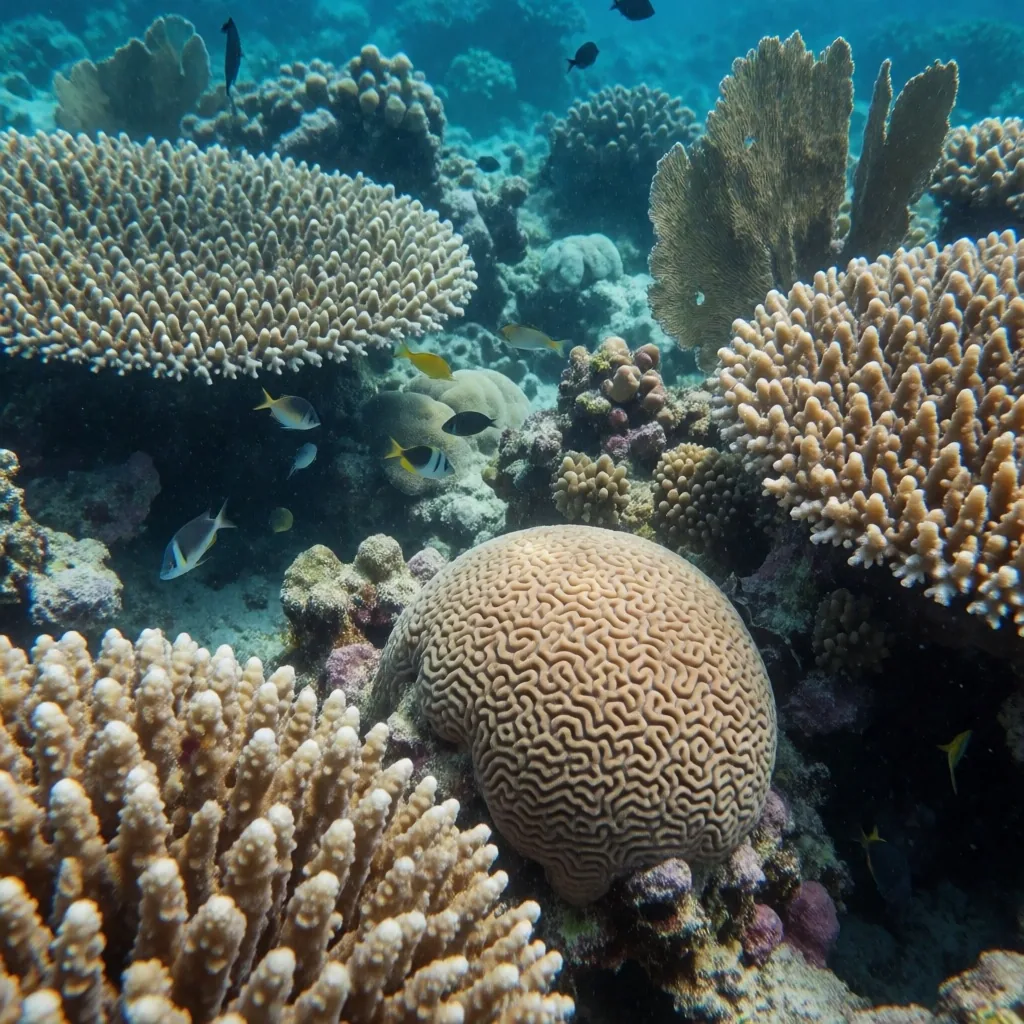
The underwater world is particularly sensitive to human impact. Touching coral, kicking up silt, or using non-biodegradable sunscreens can cause lasting damage to reefs that grow a few millimeters a year. A single careless kick can undo decades of growth.
Dive with operators who follow strong environmental practices and respect all local conservation regulations. Maintain neutral buoyancy, keep your distance from living coral, and choose reef-safe sunscreen. Protecting the sea today ensures it will still be a wonder for the divers of tomorrow.
Move Slowly, Speak Up
Choosing Low-Impact Transportation
Whenever possible, opt for transportation methods that have a lower environmental impact. Using trains and public buses instead of private cars reduces your carbon footprint and puts you in closer contact with the local way of life. The slow route is often the real one — you see the landscape change, you meet people, and you arrive with a sense of distance traveled.
For short distances, walking or cycling is not only better for the planet but also allows you to see the world at a more intimate pace. A town reveals itself differently on foot than through a window.
The Power of Advocacy
Your responsibility does not end when you go home. By sharing your experiences and the lessons you learned about responsible travel, you can inspire others to explore mindfully. Advocacy for the protection of Egypt's natural and cultural sites helps build a global community of travelers who prioritize preservation over consumption.
Together, we can ensure that the beauty of Egypt remains for all time — not as a photograph in an album, but as a living place that continues to welcome those who arrive with respect.
Before You Go
- Pack a reusable water bottle and shopping bag
- Bring reef-safe sunscreen for coastal stops
- Learn ten words of Arabic — hello, thank you, please
- Choose modest clothing for rural and riverside visits
- Research dive operators with conservation practices
- Plan routes using trains and shared transport
Related Guides
Travel With Intention
These egypt travelling guides are written for the visitor who wants to understand the place, not just see it. Read the practical tips, explore the ethical shopping notes, and connect with others who care about keeping Egypt's heritage intact.