
Transportation Tips: Moving Through the Landscape
Navigating Egypt takes patience, assertiveness, and an adventurous spirit. The country has an extensive network of trains, buses, and local transport options that reach even the most remote corners. For the independent traveller into Egypt, public transport is not just a way to save money — it is part of the experience. Our travel guides help you understand the systems, the schedules, and the unspoken rules of the road.
Every Region Opens Differently
Egypt's geography stretches from the Mediterranean coast through the Nile Valley to the Red Sea and the Western Oases. No single mode of transport covers the whole map. Trains link the valley cities, coaches cross the desert highways, and within towns, white vans and ferries fill in the gaps. The key is knowing which system to trust for each leg of the journey — and when to switch.
These navigation tips assume you are traveling independently, not through a pre-arranged tour. If you are used to fixed timetables and numbered platforms, the first day can feel chaotic. By the second day, the rhythm makes sense.
- Small cash for microbuses and ferries — drivers rarely make change for large notes.
- A printed or offline note with your destination in Arabic for taxis and vans.
- A refillable water bottle for long waits at bus stations and ferry docks.
The Rail Network: A Journey Through the Valley
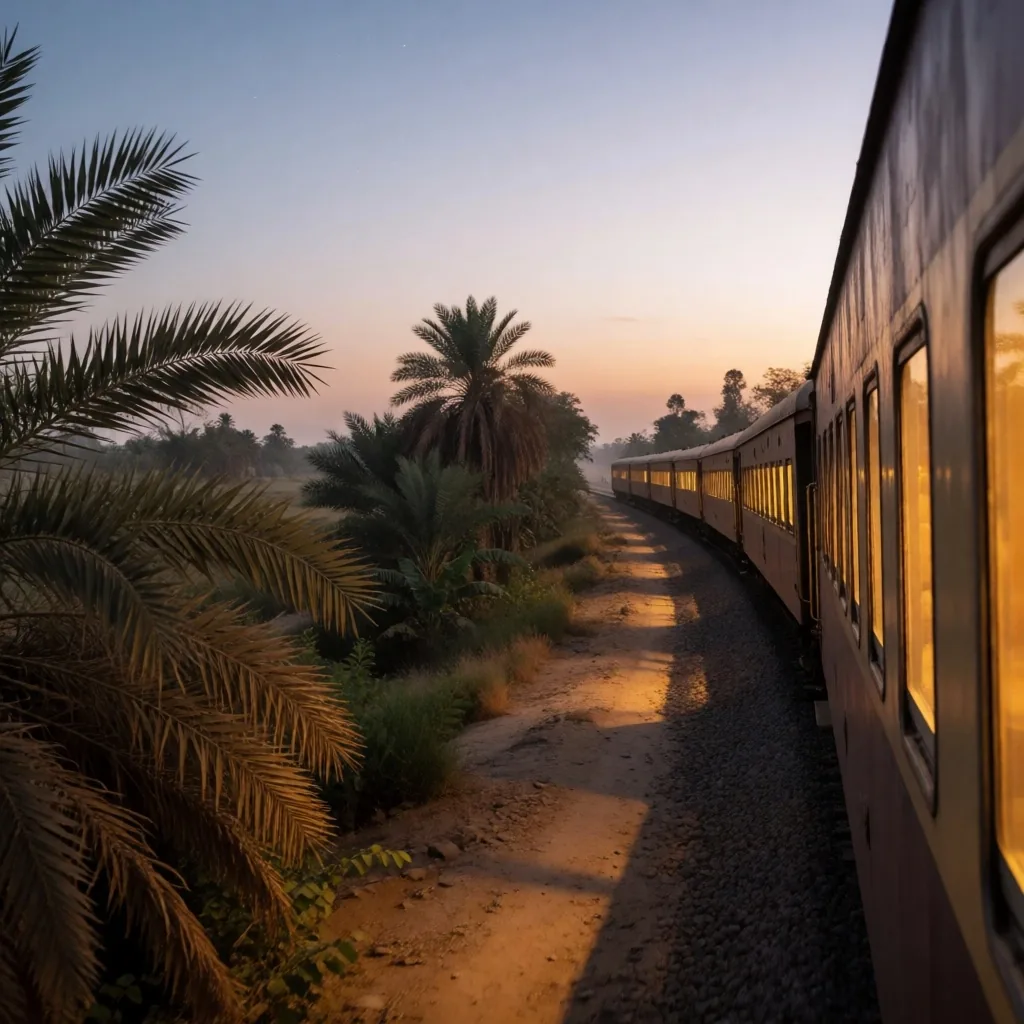
The train is the backbone of travel between the major cities of the Nile Valley. The route from the north to the south offers stunning views of the rural landscape right from your window. There are different classes of service, with the top tiers providing air conditioning and comfortable seating. Booking in advance is recommended for long-distance journeys to ensure you get a seat.
Trains run south along the Nile through the agricultural heartland. The scenery shifts from flat fields to limestone cliffs as you head upstream. The lower classes are cheaper and more crowded, while the higher classes are quieter and cooler. Seats are assigned, so your spot is guaranteed once you have a confirmed seat number.
View Rail Schedules →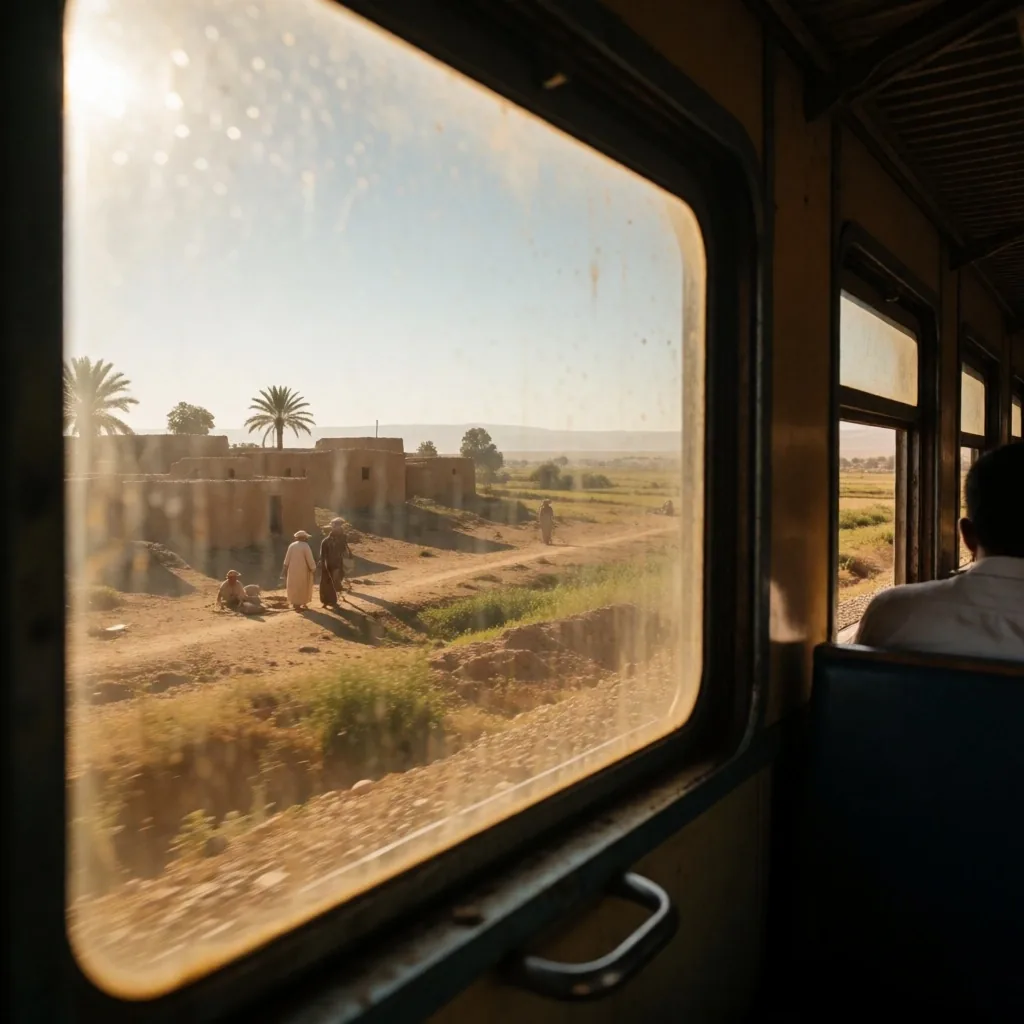
Inter-City Buses
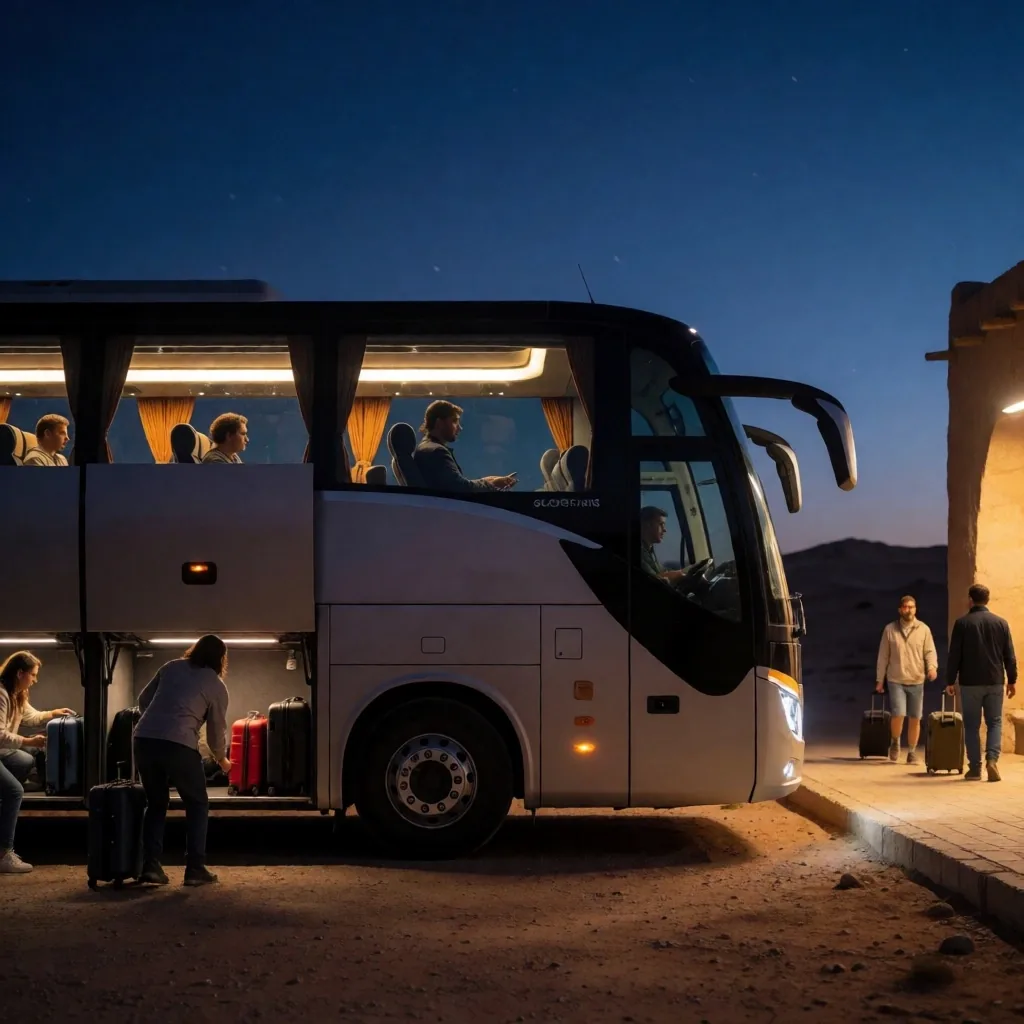
For routes not covered by the train, particularly to the coastal towns and the Western Oases, the bus network is efficient and affordable. Several companies operate modern, air-conditioned coaches that run on regular schedules. The bus stations can be chaotic, so arriving early to find your platform and stow your luggage is a good idea. It is a reliable way to traverse the long desert highways.
Coaches on popular long-distance lines include reclining seats, curtains, and sometimes a cold drink service. Overnight coaches save a night of accommodation, but the desert air dries out quickly — carry water. Shorter regional buses are less comfortable but depart more frequently.
Microbuses: The Local Lifeline
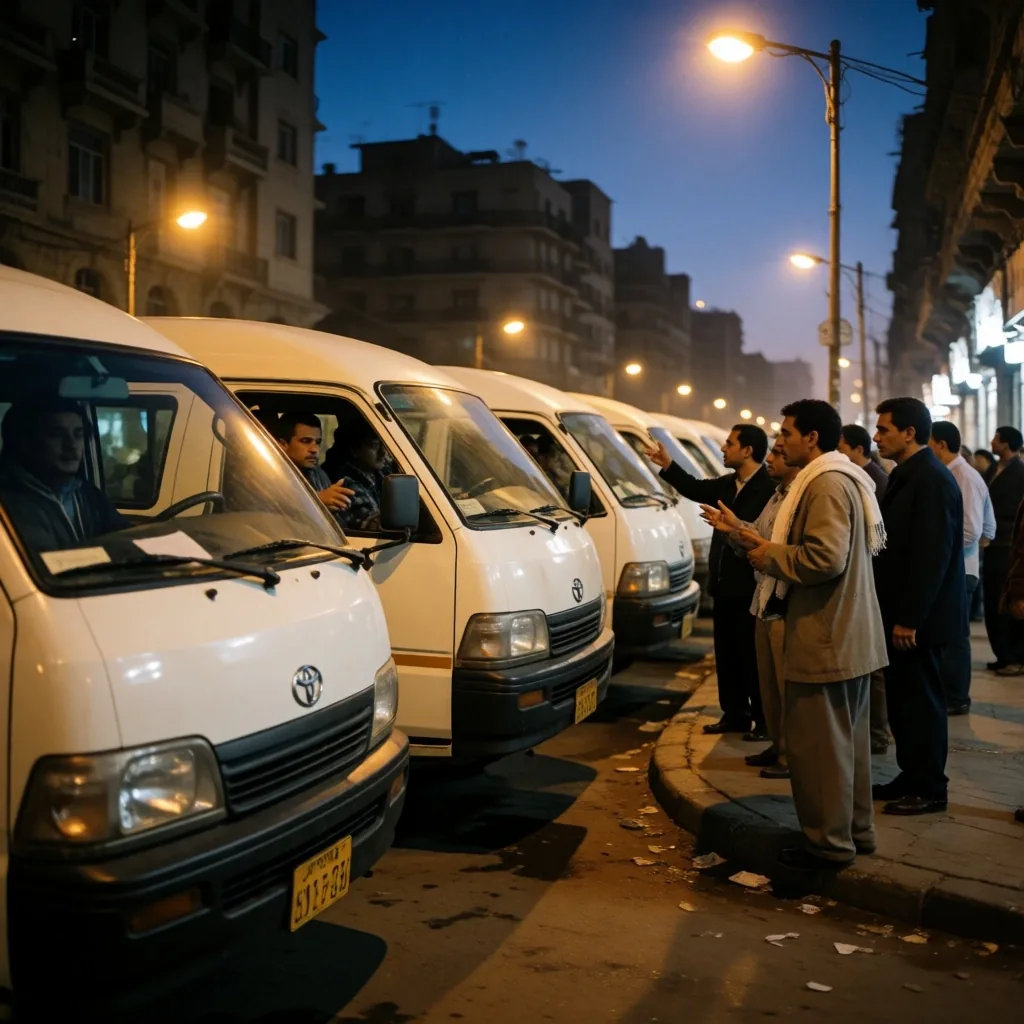
Within cities and between nearby towns, the microbus is the most common form of transport. These are white vans that follow set routes but have no formal stops — you simply flag them down and tell the driver where you want to get off. They are crowded and fast-paced, but they offer an unparalleled look at daily life. Payment is usually passed forward through the other passengers to the driver.
Riding a microbus for the first time is a small rite of passage. You hand a small note to the nearest passenger, and it travels hand to hand to the driver. Change comes back the same way. It helps to know the fare in advance so you can pass the right amount.
Choosing Your Mode
A quick comparison for the methods above. Use this to decide which option fits your route, your budget, and your comfort with the unfamiliar. These egypt travelling guides focus on the practical side of each choice.
Nile Valley Cities
Best for long-distance routes along the river. Book ahead for top-tier air-conditioned seats. Scenery is part of the value.
Coast and Oases
Fills the gaps the train leaves. Air-conditioned coaches on desert highways. Arrive early at busy stations.
Short Hops
Flag down white vans for town-to-town trips. No fixed stops — tell the driver your drop-off point. Cash only.
The Capital
Clean, fast, and very cheap. Dedicated women's cars on every train. The fastest way across the central districts.
The Cairo Metro
The capital is home to the only full metro system in Africa, and it is a lifesaver for avoiding the city's legendary traffic. It is clean, efficient, and incredibly cheap. There are dedicated cars for women on every train, providing a more comfortable environment during rush hour. Using the metro is the fastest way to jump between the different historic quarters of the city.
Buy a stored-value card at any station booth. The card works across all lines and saves you from queueing for single-ride paper passes. Trains run every few minutes during the day; service thins after late evening.
Read About Metro Routes →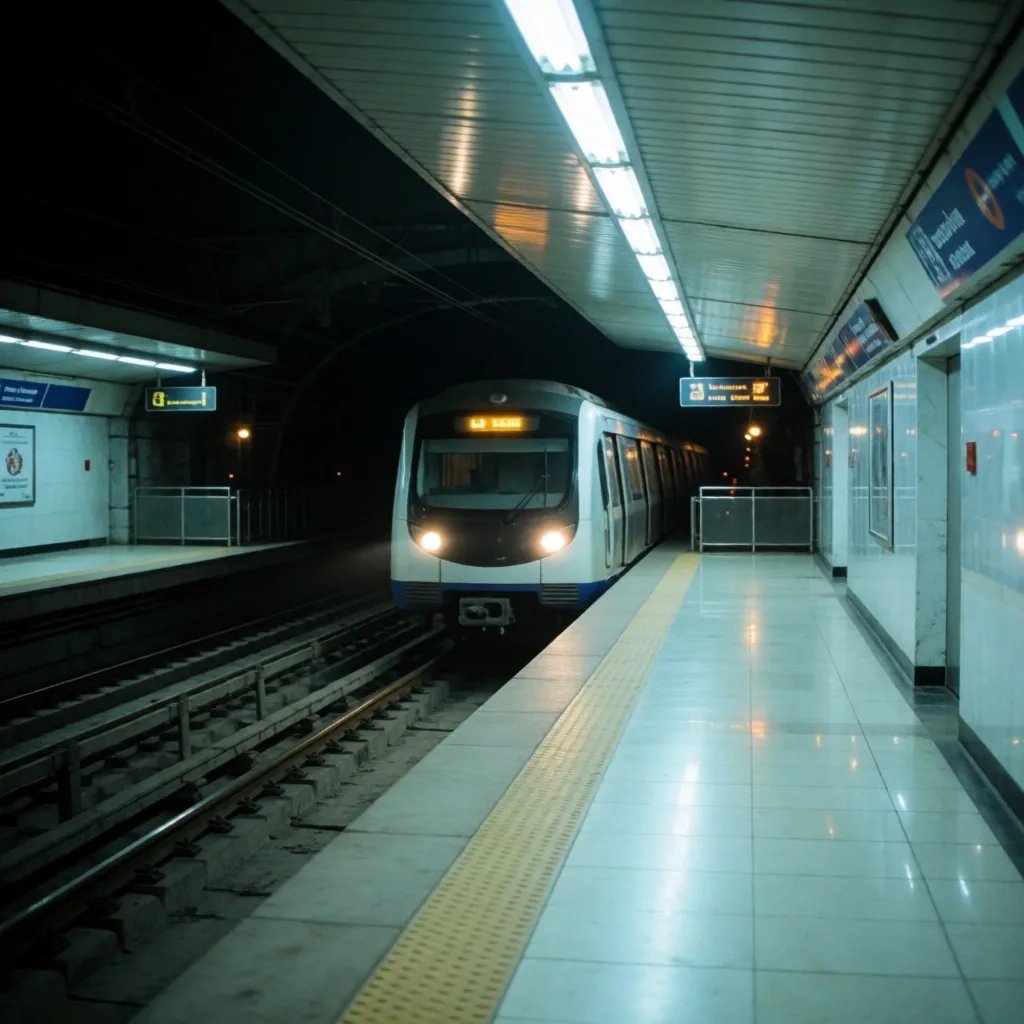
Sailing the Nile: Ferries and Boats
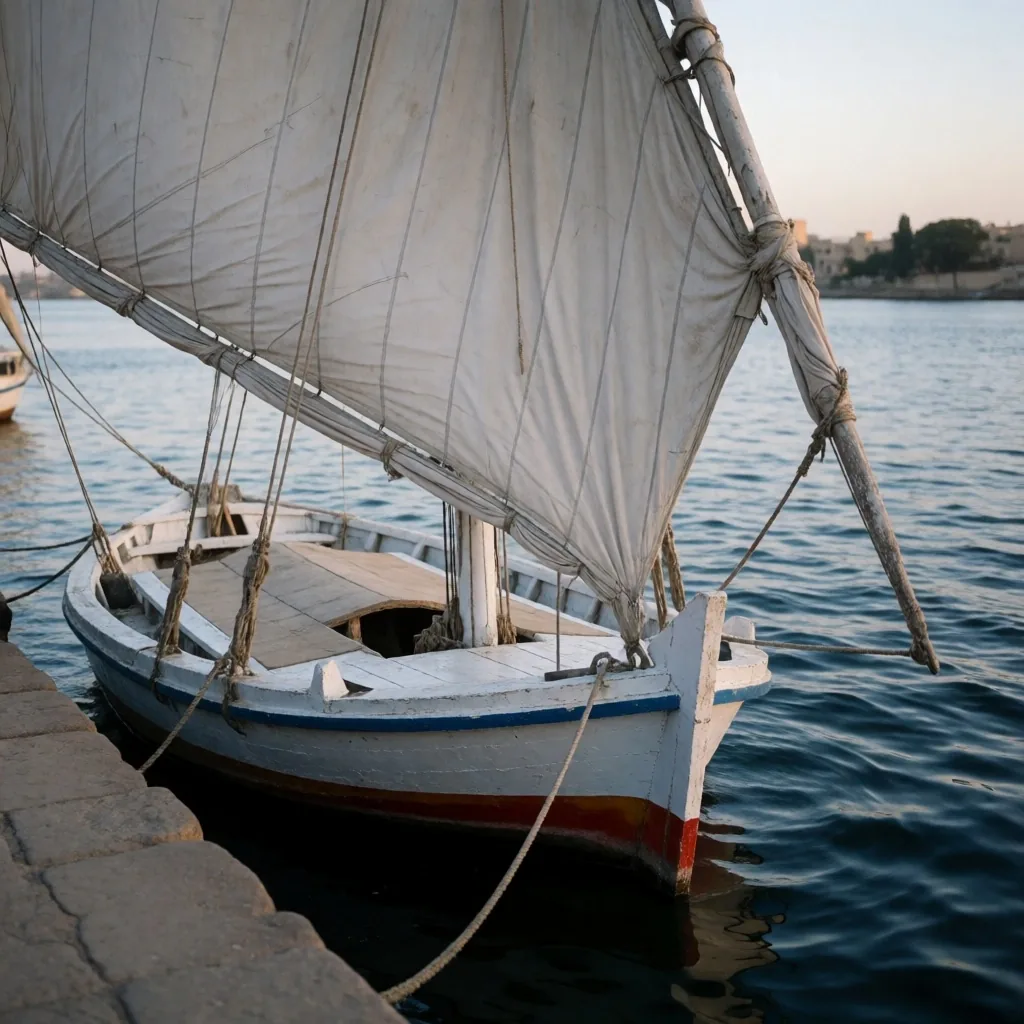
In many places, crossing the river is a daily necessity. Small passenger ferries run constantly, connecting the two banks for a nominal fee. For a more scenic journey, you can hire a private motorboat or a felucca. These water-based options offer a refreshing alternative to the dusty roads and provide a unique perspective on the riverfront architecture.
The public ferries are utilitarian — a flat deck, a rail, and a diesel engine. They depart when full. For a slower, quieter crossing, hire a felucca captain by the hour. Agree on the duration and the route before you step aboard.
Taxis and Ride-Sharing
Taxis are everywhere, but the experience varies. In the capital, most taxis use meters, but in other towns, you will need to agree on a fare before you get in. Ride-sharing apps are also widely available in the larger cities and provide a transparent way to book rides with fixed fares. This can be a good option for those who want to avoid the negotiation process.
If you do negotiate, keep it short and friendly. Ask a local or your accommodation for a sense of the going fare for your route before you start. State your destination, agree on the number, and get in. Long haggling rarely lowers the fare and only delays the ride.
View Taxi Tips →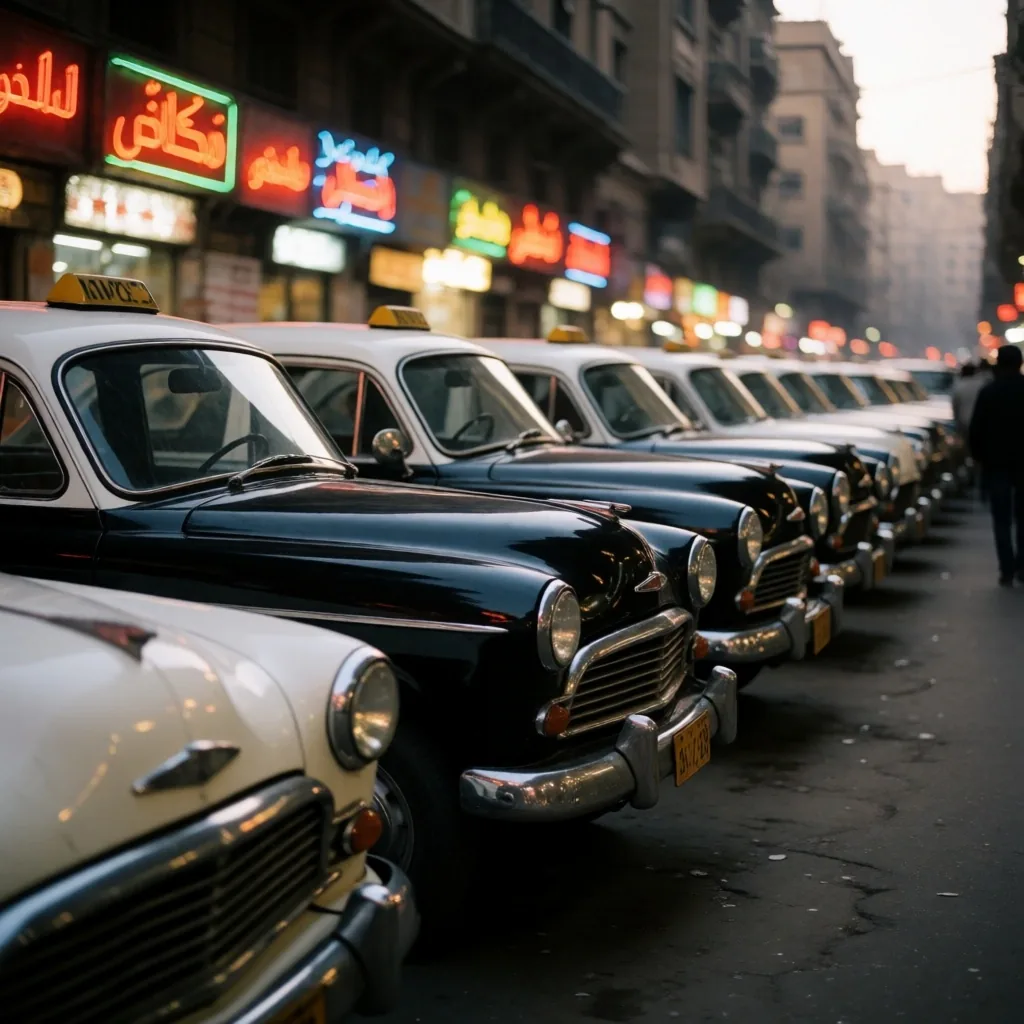
Walking: The Slowest Way to See the Most
Many of the historic quarters and small villages are best explored on foot. Walking lets you notice the small details — the carved doorways, the neighborhood cats, and the smell of the local bakery. Be prepared for uneven sidewalks and heavy traffic in the cities. Always be cautious when crossing the road, as the flow of vehicles can be unpredictable.
Crossing a busy street takes practice. The local method is to walk at a steady, predictable pace — do not stop or run. Drivers expect pedestrians to keep moving and adjust around them. Wait for a natural gap, commit to your line, and maintain eye contact with the nearest driver if you can.
- Early morning is the coolest and quietest time to walk through older districts.
- Carry a printed map or an offline download — data signal can drop in narrow alleys.
- A light scarf helps with both sun and the occasional dust gust off the river.
Safety and Road Conditions
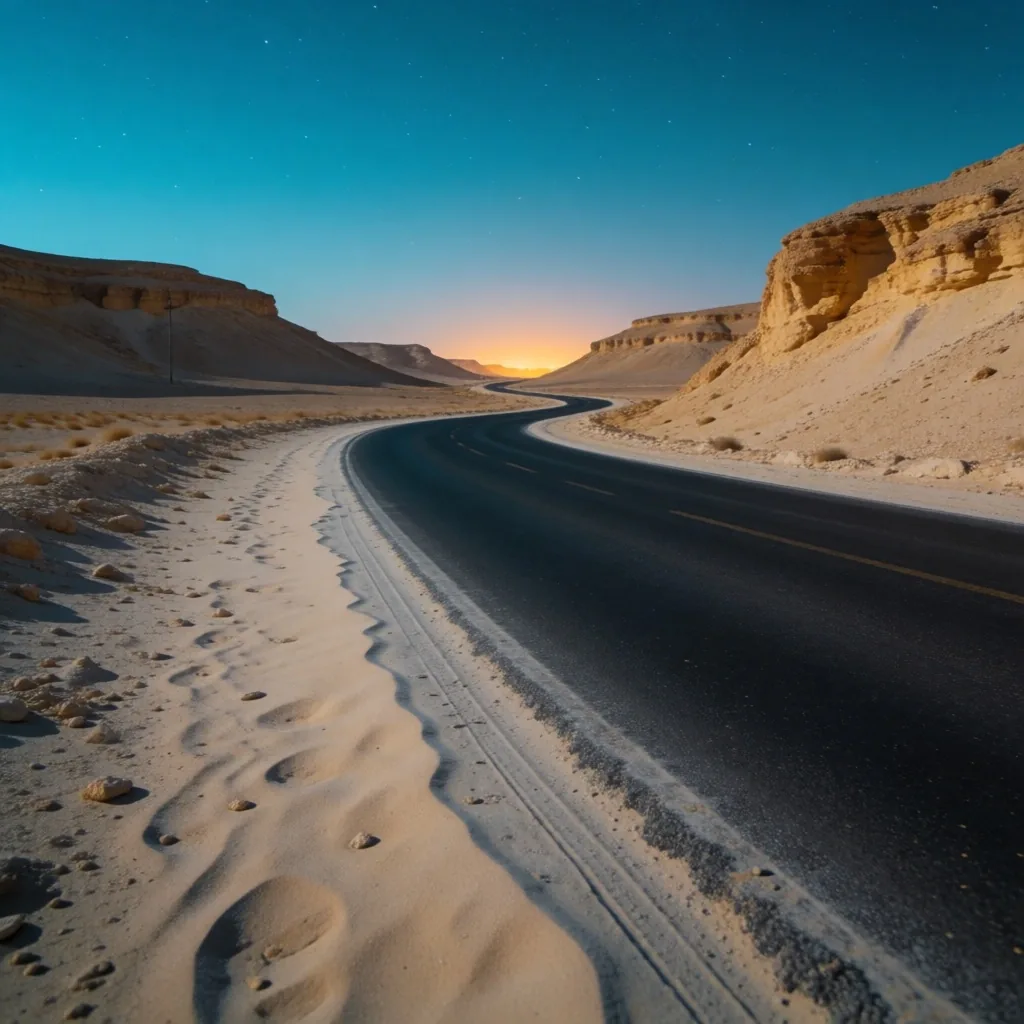
Egyptian roads can be a challenge. Traffic is often heavy, and driving styles are more fluid than in many Western countries. When traveling long distances by bus or taxi, it is advisable to travel during daylight hours when possible. The desert highways are generally in good condition, but sand can sometimes blow across the road, requiring careful driving.
Long-haul coaches at night are common, and most run without incident. Still, daylight gives you a better view of the road and the landscape, and it makes any unscheduled stop easier to navigate. If you hire a car with a driver for a desert route, agree on rest stops and a rough arrival window before you set off.
In the oases and the southern desert, keep your phone charged and carry extra water. Distances between fuel stations are long, and the midday heat is real even in the cooler months.
Before You Ride
Three questions that come up often. If you have a more specific one, write to us through the contact page and we will answer with what we know.
Ask a Question →How do I know which microbus to take?
Most microbuses have their destination written in Arabic on the windshield, but the best way is to ask the people waiting at the roadside. They are usually very helpful in pointing you toward the right van.
Is it safe for women to travel alone on public transport?
Yes, many women travel independently. Using the dedicated women's cars on the metro and sitting near other women on buses is a common way to feel more comfortable.
Do I need to book train seats weeks in advance?
For the popular routes between the capital and the south, booking a few days in advance is usually enough, though holiday periods may require more lead time.
Keep Moving Through the Country
Now that you know how to get around, the next step is deciding where to go. Our egypt travelling guides cover each region in detail — coastal retreats, river valleys, and desert routes. If you want help planning a specific itinerary, reach out and we will point you in the right direction.
Independent travel guides for the traveller into Egypt. We write practical navigation tips, not packaged itineraries.
Rokin 112, 1012 LB Amsterdam
Mon–Fri: 9:00–18:00