
Following the Lifeline
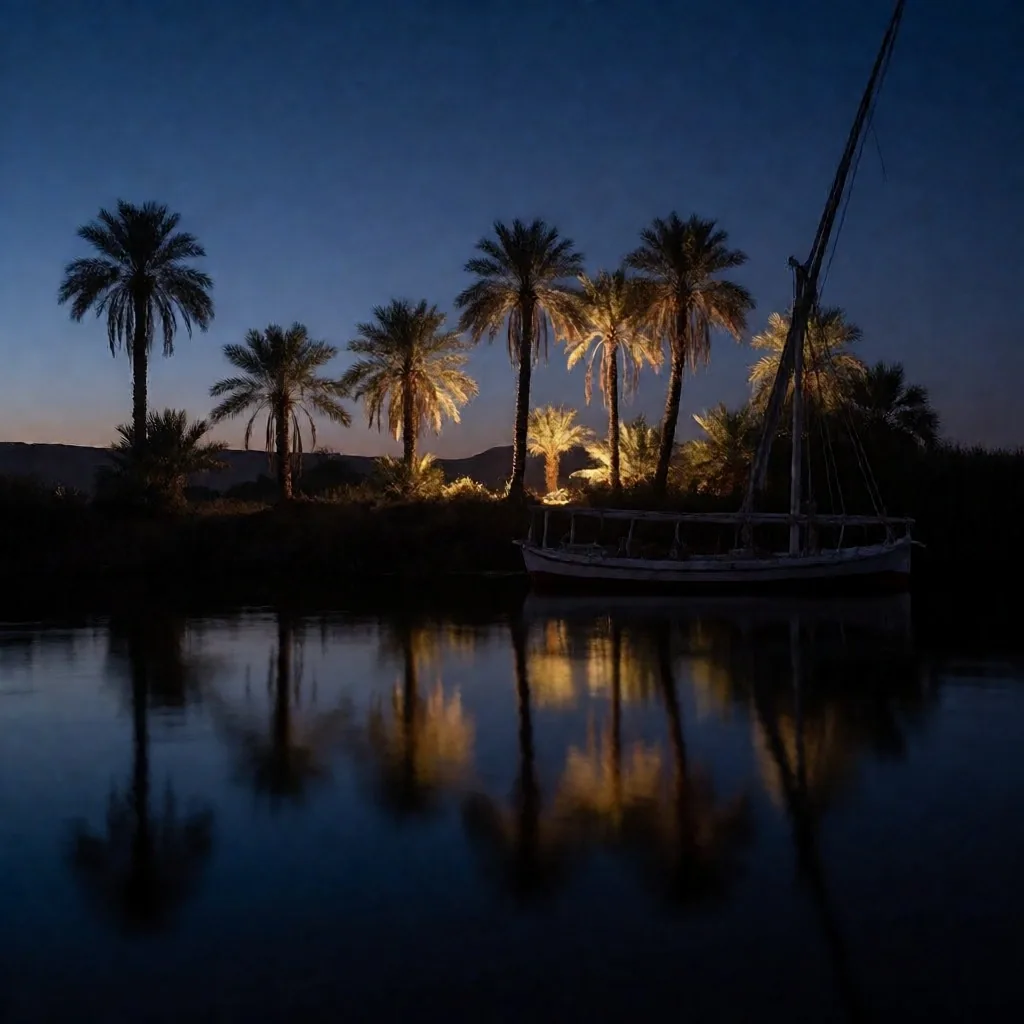
The Nile Valley is a ribbon of green cutting through the desert — a corridor of rural landscapes, traditional sailboats, and daily life that clusters along the banks. Moving at the pace of the current lets you connect with the land and its people, far from the rush of modern roads.
The Rhythms of the Nile
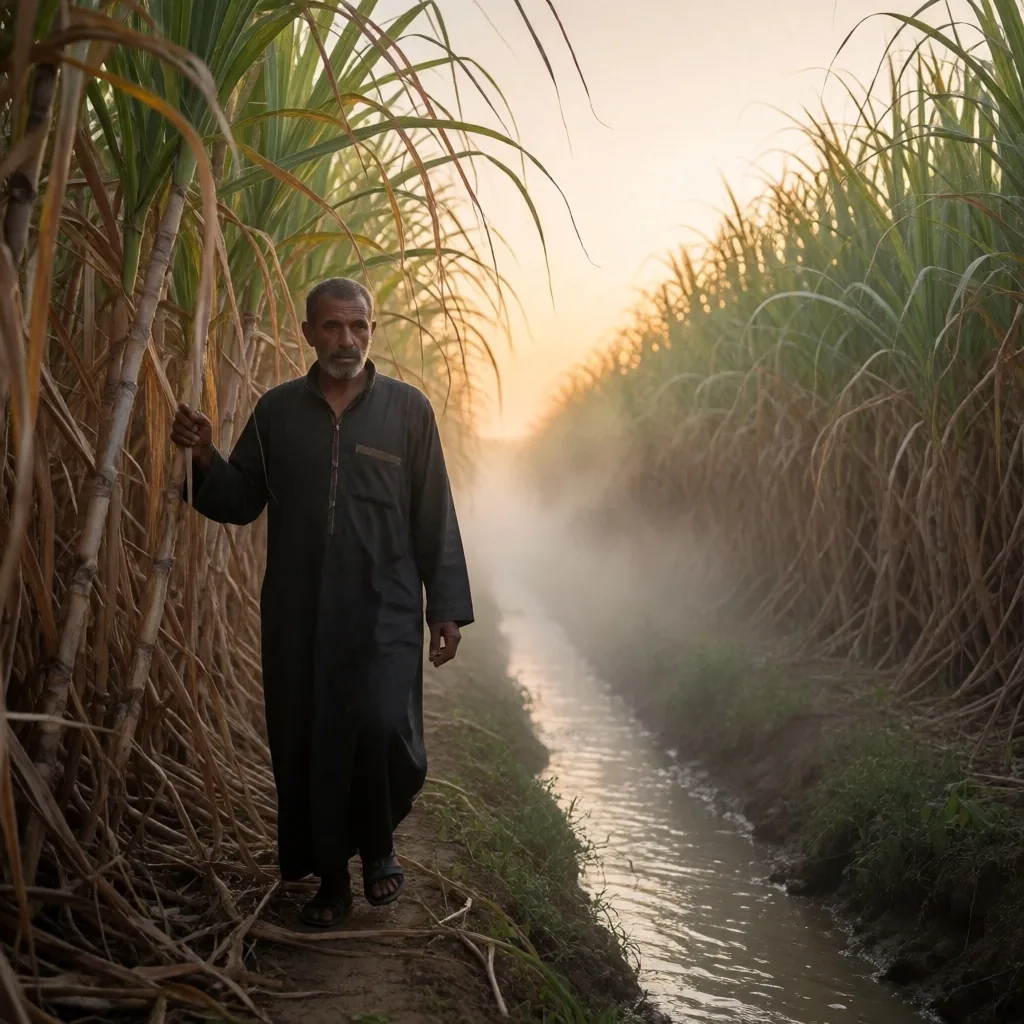
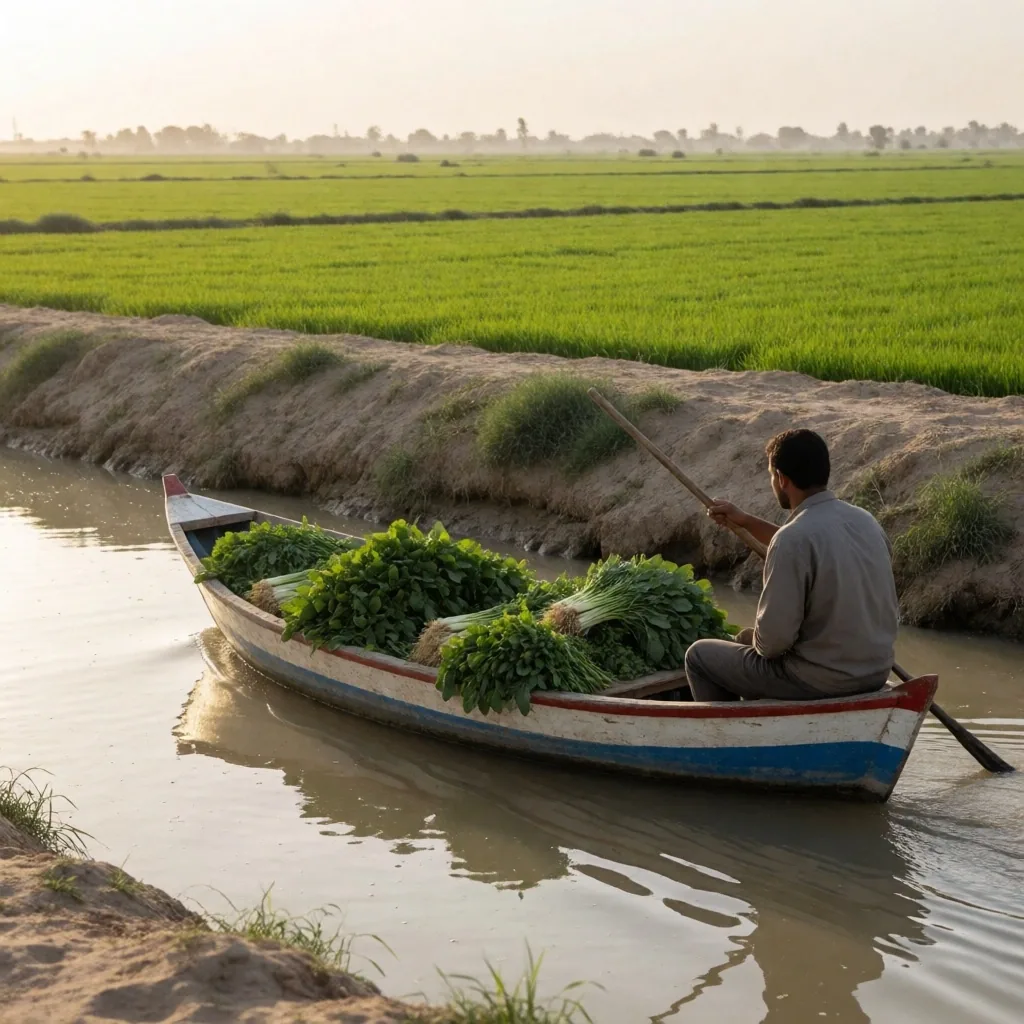
Life along the river follows a predictable, ancient rhythm. In the early morning, farmers tend fields of clover and sugar cane using methods that have changed little over centuries. The sound of water pumps and the braying of donkeys provide a constant soundtrack to the rural landscape.
Observing this daily labor gives you a deep respect for the connection between the people and the river. The valley wakes before the sun, works through the heat of midday under shaded awnings, and settles again as the light turns copper over the fields. Nothing here is performed for visitors — it is simply how life proceeds.
For the traveller into Egypt, spending even a single morning beside a canal is enough to recalibrate your sense of time. The valley moves at the speed of water, not of schedules.
Sailing by Felucca
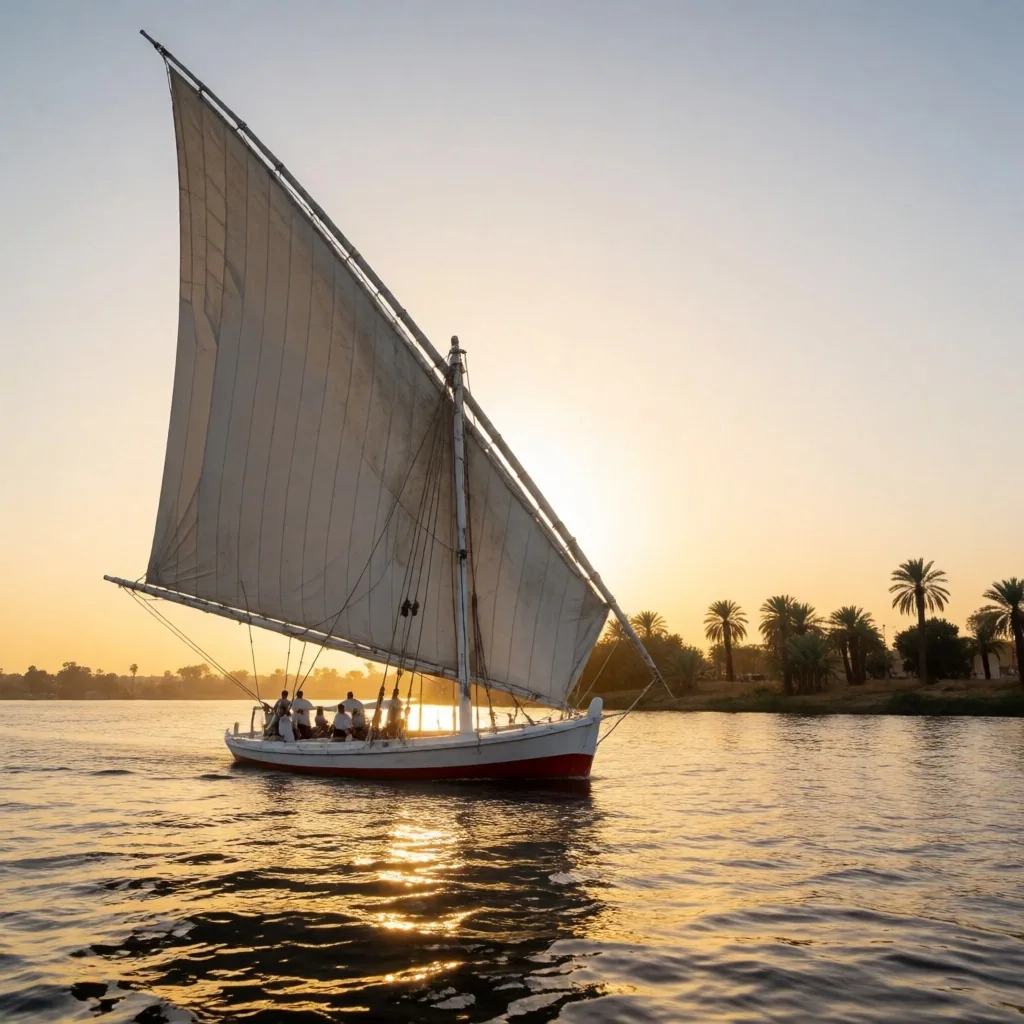
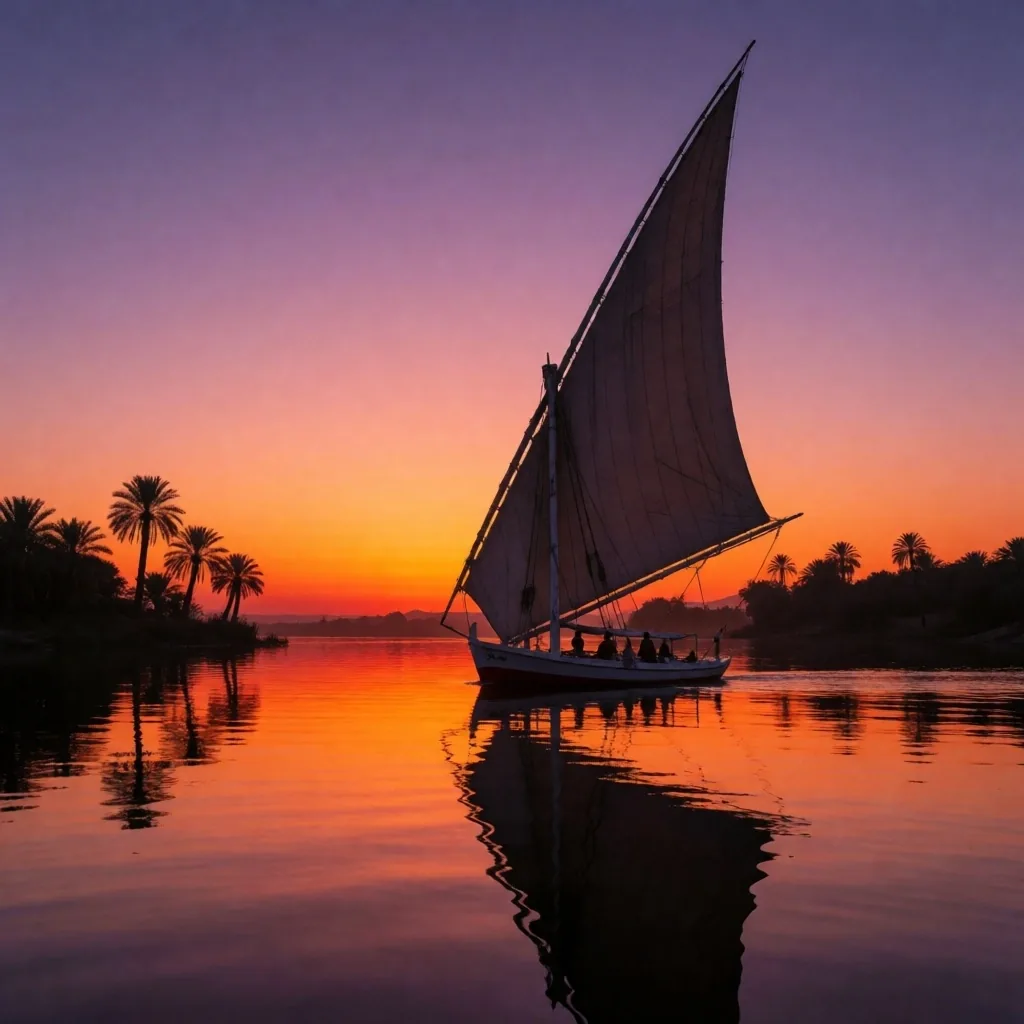
The traditional wooden sailboat, known as a felucca, is the most authentic way to experience the river. With no motor and only the wind to guide you, the journey becomes a peaceful immersion in the environment.
You can spend your days lounging on the deck, watching the scenery drift by, and your nights docked at a quiet spot along the bank. It is a slow-travel experience that prioritizes the journey over the destination — the sound of water against the hull replaces every reminder of a schedule.
The Lush Delta Landscapes
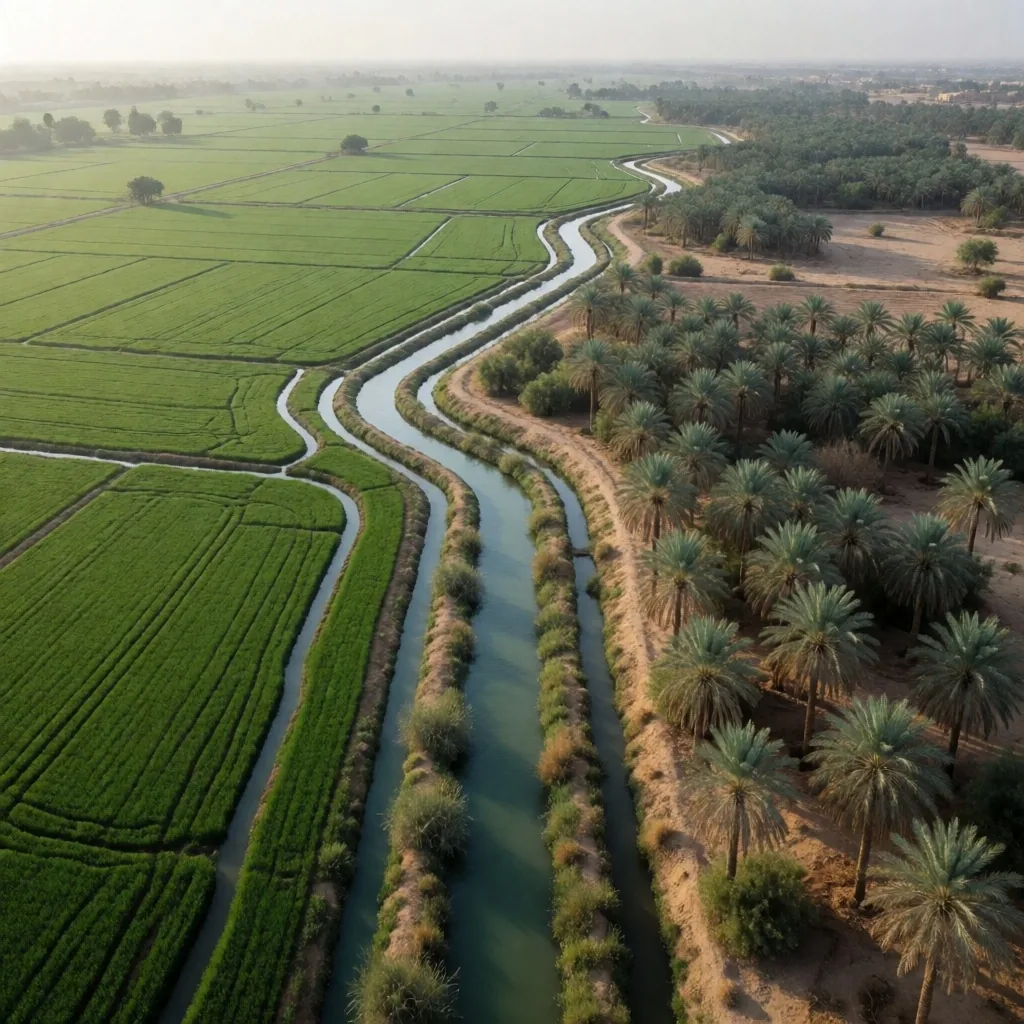
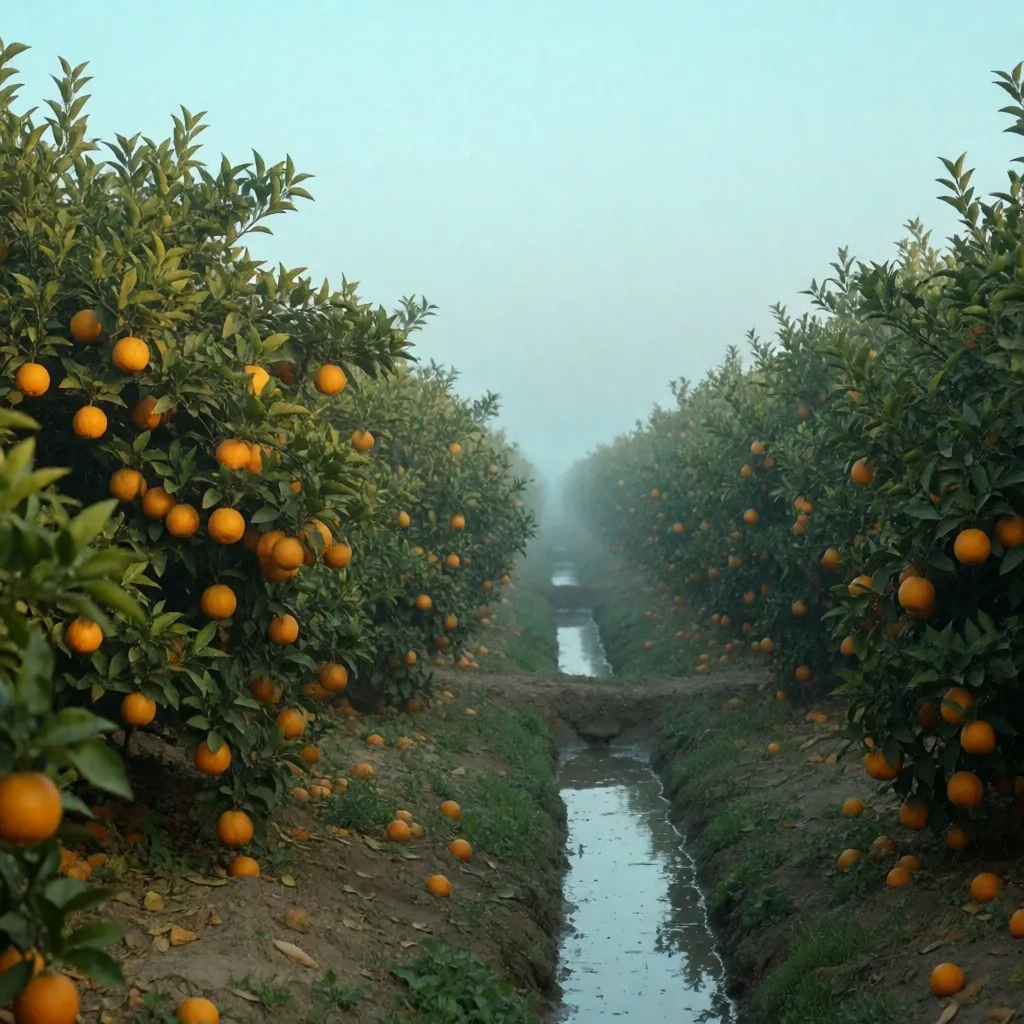
North of the capital, the Nile fans out into a broad, fertile delta. This is the agricultural heart of the country — a maze of waterways, canals, and small villages.
The green here is so intense it almost glows, and the variety of crops — from cotton to citrus — is endless. Exploring the delta offers a glimpse into one of the most densely populated rural areas in the world, where community and land are inseparable.
The canals branch and rebranch, narrow enough that two boats can barely pass. Villages sit at every junction, their houses painted in faded pastels that catch the late afternoon light. The delta is where the river's gift to the land is most visible — a patchwork of cultivation pressed tight against the desert on every side.
Valley Walks and Village Life
Stepping off the main roads and walking through the village paths is a highlight of any valley journey. The hospitality of the rural population is legendary — do not be surprised if you are invited for tea several times in a single afternoon.
These interactions provide a genuine look at the social structures and family values that underpin Egyptian society. The architecture of the villages, with their colorful facades and shaded courtyards, is equally captivating.
What to Expect on Foot
Dirt paths between houses, not paved streets. Children will call out greetings. Tea is offered without obligation — accept if you have time, decline with a smile if not.
What to Bring
Sturdy shoes for uneven ground, a refillable water bottle, sun cover, and small bills if you want to buy fruit from a roadside stand. A few words of greeting go a long way.
Pace and Timing
Walk early or late. Midday heat empties the lanes. An hour before sunset is when courtyards fill again, doors open, and the social life of the village returns to the street.
The Flora of the Riverbanks
The Nile supports a unique ecosystem of plants and trees. Beyond the iconic date palms, you will find groves of sycamore figs, tamarisks, and the occasional cluster of papyrus. These plants provide habitat for a variety of birds and insects, creating a corridor of life through the desert.
Learning to identify the different species adds another layer of interest to your riverside walks and boat trips.
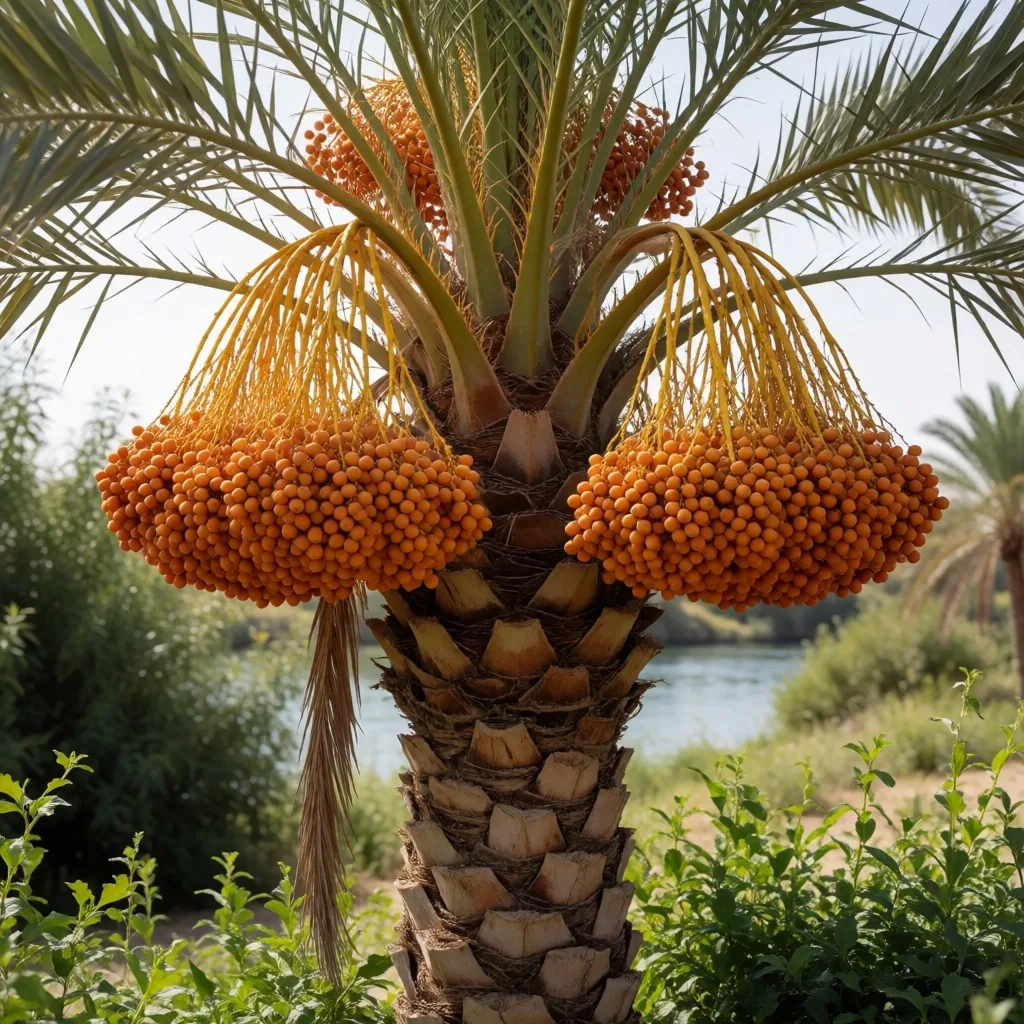
Date Palm
The defining silhouette of the valley. Fruit clusters hang heavy in late summer; the trunk's texture records every year of growth.
Sycamore Fig
Broad-canopied shade trees near village edges. The fruit is smaller than common figs and eaten locally, often dried.
Tamarisk
Feathery, salt-tolerant shrubs that stabilize canal banks. Their pink-tinged blossom appears briefly in spring.
Papyrus
Once common, now found in protected stretches. Tall triangular stems topped by green umbels, growing where the water is still.
Waterway Views and Sunsets
The Nile is famous for its dramatic sunsets, where the sky turns shades of orange, purple, and gold. The reflection of these colors on the water, combined with the silhouette of palms and distant hills, creates a picture-perfect scene every evening. Finding a quiet spot on a high bank or the deck of a boat to watch the day end is a ritual every visitor should embrace.
Traditional Fishing Methods
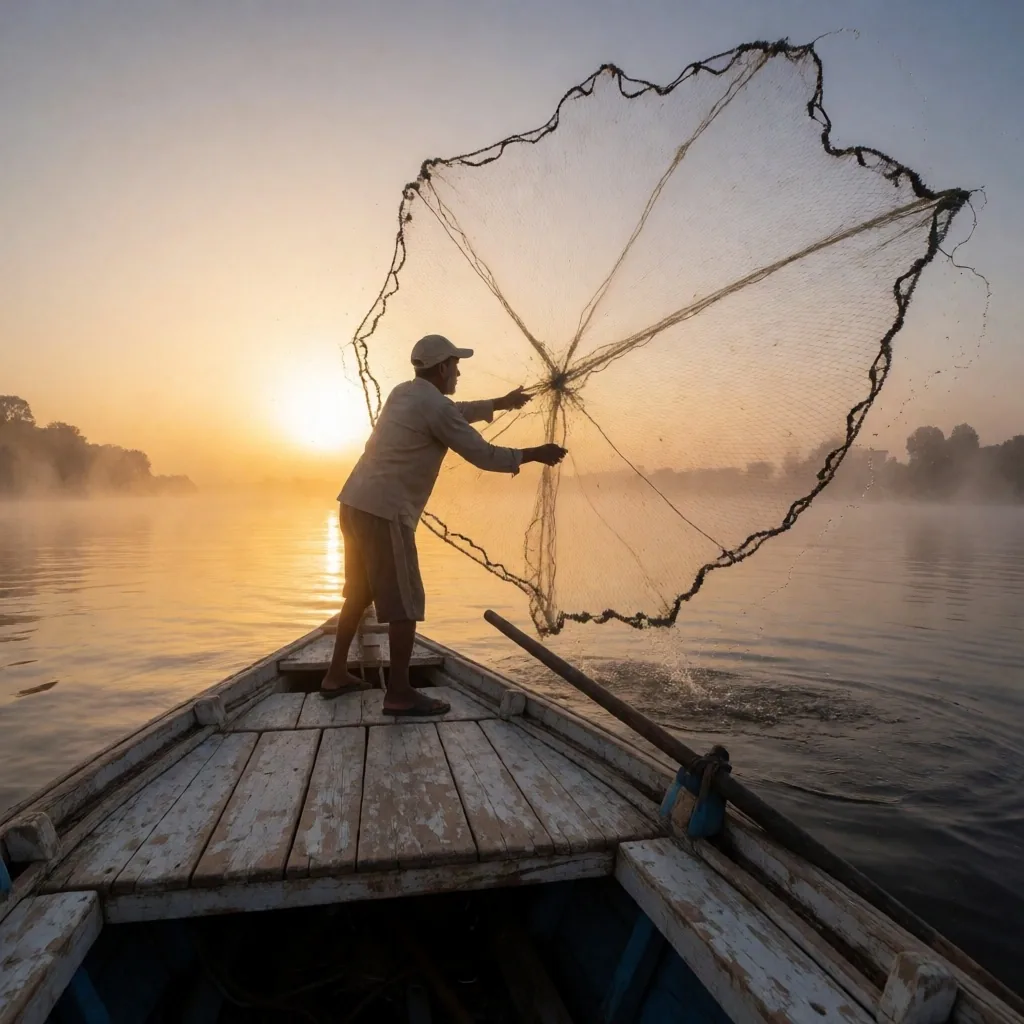
Fishing remains a vital part of the river economy. You will often see fishermen in small rowboats casting nets or using long poles to catch tilapia and perch. These methods are sustainable and have been passed down through generations.
Watching the skill and patience required for this work is a reminder of the river's role as a provider of food as well as water. The fishermen read the surface for signs of movement below, adjust their position with a single stroke, and let the net fall open in a precise arc. It is a craft measured in silence and stillness, not in speed.
The Engineering of the River
While we focus on the natural beauty, the Nile is also a managed waterway. The system of barrages and canals that controls the flow of water is an impressive feat of engineering. Understanding how the water is distributed to the fields helps you appreciate the complexity of maintaining such a large agricultural base in an arid region. It is a constant balancing act between nature and human needs.
Barrages
Low dams that raise water level enough to divert it into major canals without storing large volumes. Some have operated for over a century, their stone gates still opening by hand.
Canal Network
A branching hierarchy from trunk canals to field ditches. Water rotates between districts on fixed schedules, shared and negotiated by local water associations.
Annual Balance
Every season, engineers release more water for summer crops and hold it back for winter wheat. The margin between surplus and shortage is narrow, and a dry year upstream is felt within weeks downstream.
Birdlife Along the Water
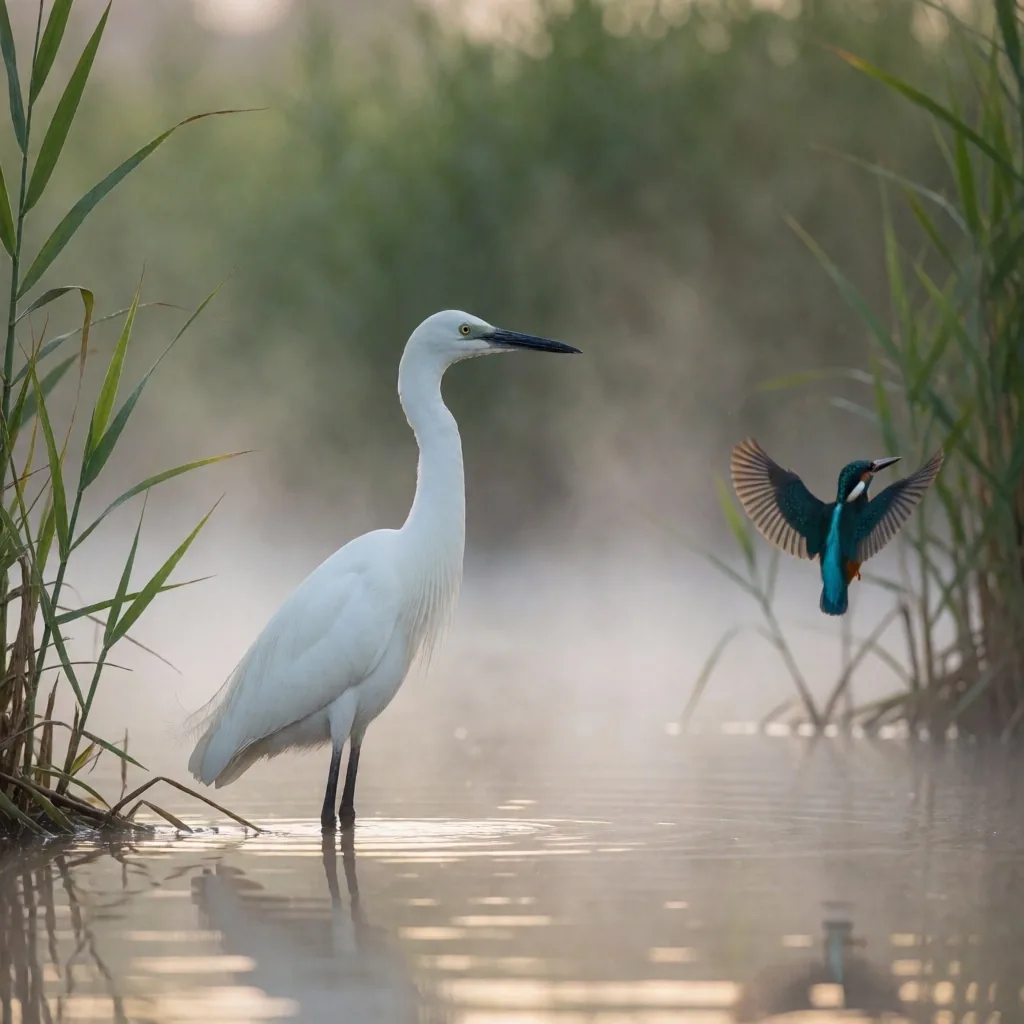
The river is a haven for avian species, from the elegant white egret to the colorful kingfisher. During the migratory seasons, the number of birds increases dramatically as they use the valley as a navigational guide.
For birdwatchers, the Nile offers endless opportunities for sightings, especially in the quieter stretches of the river away from the major towns. A pair of binoculars and a slow stretch of bank are all you need. The kingfisher is most active at first light, darting from overhanging branches; the egrets and herons stand motionless in the shallows through the heat of the day.
The Cultural Importance of the Flood
Although the modern dams have ended the annual flooding, the memory of the flood remains central to the Egyptian identity. It was once the event that determined the prosperity of the entire nation. A high flood meant a rich harvest; a low one meant hunger. The entire calendar of rural life was built around the river's rise and fall.
Today, the festivals and stories associated with the river's rhythms are still part of local folklore. You can hear them in the songs of field workers and the names given to canals and bends in the river. Exploring the valley is as much a journey through this cultural history as it is a physical trip through the landscape.
The flood no longer arrives, but the respect for it does. When a farmer speaks of a good year, the measure is still water — how much, how early, how evenly it reached the fields at the end of the line. The valley has not forgotten where its wealth comes from.
Where the Valley Leads Next
Coastal Retreats
From the delta shore to the Red Sea coast — where the desert meets deeper water.
RelatedLocal Customs
The social fabric of village life — greetings, tea rituals, and family structures.
ConnectReach Our Guides
Ask about specific routes, timing, or valley logistics. We respond within working days.